
For more than two decades, Kyunki Saas Bhi Kabhi Bahu Thi has been synonymous with Gujarati family traditions. Navratri garba sequences, Janmashtami celebrations and other regional festivals regularly filled the screen, often serving as colourful backdrops for dramatic twists in the Virani household. In a notable departure, the show recently featured Chhath Puja, a sacred festival rooted in Bihar and neighbouring regions, for the first time in its long history. Tulsi and the women of the family were shown participating in the rituals, marking a cultural expansion for a series long identified with one specific regional identity.
A First for the Iconic Soap
The original Kyunki Saas Bhi Kabhi Bahu Thi premiered in 2000 and became one of Indian television’s most influential daily soaps. Its revival continues to centre on the Virani family, with Smriti Irani reprising her role as Tulsi. Across both the original run and the current avatar, the show’s festive calendar remained largely consistent with Gujarati customs. That pattern shifted when an episode incorporated Chhath Puja.
In the storyline, Tulsi, worried about Mihir, finds emotional support through the observance of the festival. She imagines or joins the daughters-in-law in the rituals. Sushila explains the significance of the Chhathi Maiya vrat, emphasising faith, patience and maternal devotion. The sequence provides an emotional pause amid the ongoing family drama while introducing viewers to the austerity and devotion associated with Chhath.
Actress Gauri Pradhan, who plays Nandini Virani, shared photographs from the sets showing herself and co-stars in traditional red attire with sindoor, describing it as her first Chhath Puja. The images captured the festive atmosphere created for the episode and underscored that the celebration was treated with visual care on set.
The Catch: A Strategic Song Placement
The inclusion of Chhath was not purely organic storytelling. Producer Ektaa Kapoor, who is also behind the film The Vvaan starring Sidharth Malhotra and Tamannaah Bhatia, found a way to weave the film’s song “Chhathi Maiya” into the narrative. The track, composed and sung by Vishal Mishra with lyrics by Kaushal Kishore, has been promoted as one of the first major Bollywood songs dedicated to the Chhath festival and its associated goddess.
By featuring the song and the festival rituals in Kyunki, the show simultaneously expanded its cultural canvas and served as a promotional platform for the film. The Vvaan, a folklore fantasy, uses the song to highlight themes of faith and regional tradition within its larger narrative. The television episode thus performed dual duty: advancing the soap’s emotional arc while amplifying a cinematic release.
Cultural Expansion and Viewer Response
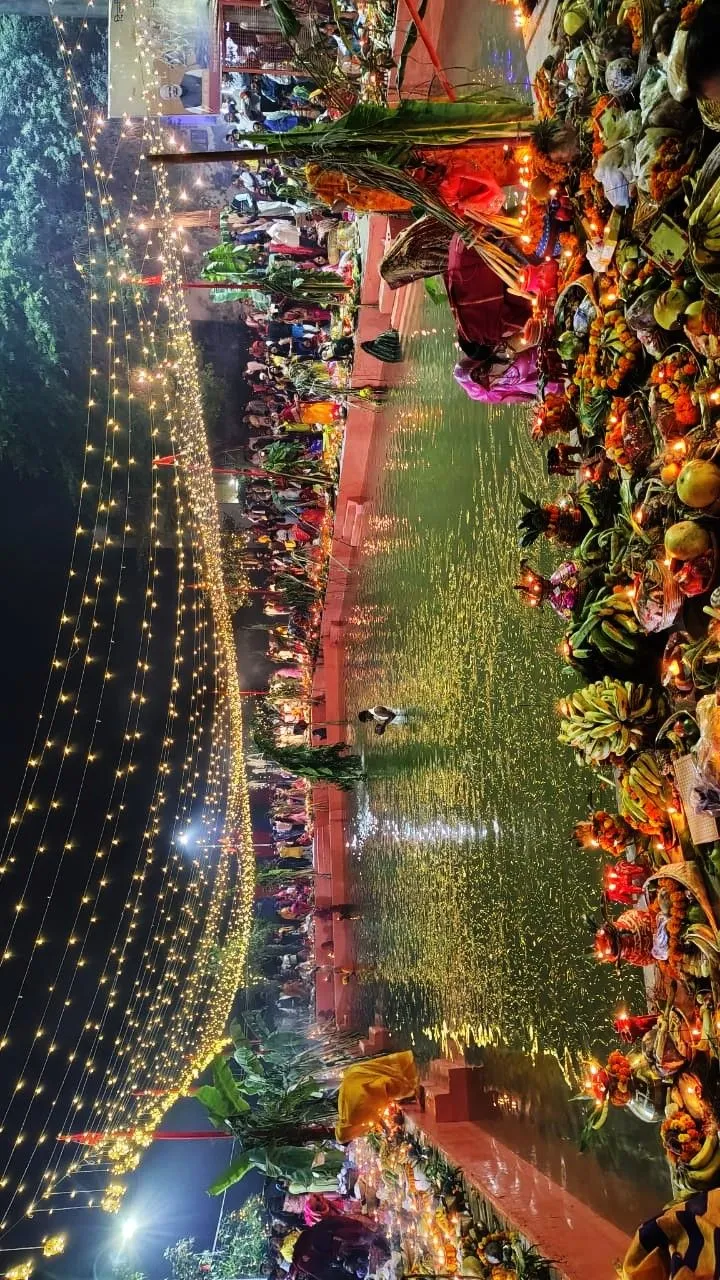
For a show so closely tied to Gujarati identity, the decision to depict a Bihari festival represents a form of cultural outreach. Chhath Puja is observed with rigorous fasting, offerings to the setting and rising sun, and deep community participation, particularly in Bihar, Jharkhand and eastern Uttar Pradesh. Bringing those rituals into a mainstream Hindi soap introduces the festival to audiences who may be less familiar with its practices.
At the same time, some viewers questioned the timing. Comments noted that the on-screen sequence appeared close to other festivals in the calendar, prompting discussions about authenticity and narrative convenience. Such reactions are common when long-running shows incorporate new cultural elements; audiences who have followed the Virani family’s traditions for years notice deviations quickly.
Television, Film and Cross-Promotion
The episode illustrates a broader trend in Indian entertainment where television and film properties under the same production banner support one another. Ektaa Kapoor’s involvement in both Kyunki and The Vvaan made the synergy straightforward. A beloved television platform with a loyal daily audience offered an effective way to familiarise viewers with the film’s musical and cultural elements.
For The Vvaan, association with Chhath through a dedicated song and television exposure helps position the film as one that engages with living Indian traditions rather than treating them as mere backdrop. For Kyunki, the sequence adds variety to its festive repertoire and demonstrates a willingness to move beyond its established regional focus.
The Significance of Representation
Festivals on Indian television have long served multiple purposes: they provide visual splendour, create opportunities for family bonding scenes, and occasionally drive plot. When a show as influential as Kyunki chooses to depict a festival outside its core cultural setting, it contributes, however modestly, to wider recognition of that tradition. Viewers in different parts of the country see their practices reflected, while others gain exposure to unfamiliar customs.
The fact that the depiction is tied to a film promotion does not erase the representational value, but it does shape how the moment is received. Audiences are increasingly attuned to the commercial logic behind content decisions. Transparency about such synergies can coexist with appreciation for the cultural material being presented.
A Small but Notable Shift
After twenty-five years of primarily Gujarati festivities, Kyunki Saas Bhi Kabhi Bahu Thi’s Chhath episode stands out. Tulsi and the bahus observing the rituals, the explanation of the vrat’s significance, and the on-set celebration captured by the actors mark a departure from the show’s familiar pattern. The parallel promotion of “Chhathi Maiya” from The Vvaan adds a layer of industry strategy that is characteristic of contemporary content ecosystems.
Whether the festival returns in future episodes or remains a one-time narrative device will determine how lasting the shift proves. For now, the episode has succeeded in placing Bihar’s sacred Chhath Puja on one of Hindi television’s most watched family stages—while also giving a new film’s song a prominent platform. In doing so, it highlights both the evolving cultural scope of long-running soaps and the inventive ways producers connect their television and cinematic projects.
Read more – Dailymarathishayari.com