
As weight-loss medications such as semaglutide and tirzepatide gain widespread use, a growing number of people are experimenting with doses smaller than those typically recommended. The practice, commonly called GLP-1 microdosing, aims to curb appetite, reduce side effects and help maintain weight loss. Online communities feature personal accounts of significant results with lower amounts of these drugs. Yet medical experts caution that the scientific evidence supporting intentional microdosing remains limited, leaving important questions about its safety, effectiveness and long-term outcomes unanswered.
GLP-1 receptor agonists work by mimicking a natural hormone that regulates blood sugar, slows digestion and reduces hunger. Approved products such as Wegovy (semaglutide) and Zepbound (tirzepatide) follow carefully studied dose-escalation schedules that begin at low levels and increase to maintenance doses shown in clinical trials to produce substantial weight loss. Microdosing generally refers to remaining at or below those starting levels, or using fractions of standard doses, rather than progressing to the full therapeutic range.
Why People Are Trying Smaller Doses
Many users turn to lower doses because of gastrointestinal side effects such as nausea, vomiting, diarrhoea or constipation that often accompany standard treatment. Others seek to stretch limited supplies or reduce costs. Some who have already lost weight hope that a smaller ongoing dose will help them keep the weight off while experiencing fewer adverse effects. Personal stories shared in online forums describe improved hunger control and sustained results with reduced amounts of tirzepatide or similar medications.
These anecdotal reports have fuelled interest. However, there is no single agreed medical definition of microdosing. What one person considers a microdose may simply be another person’s prescribed starting dose or an individualised adjustment made under medical supervision. This lack of clarity makes it difficult to compare experiences or draw firm conclusions.
What the Available Evidence Shows
Clinical trials that established the approved doses demonstrated a clear relationship between dose and weight-loss results. Higher maintenance doses generally produced greater average reductions in body weight than lower ones. Real-world observational data from patients who remained on the lowest starting doses for extended periods show more modest outcomes. One analysis of electronic health records found that people who stayed on the lowest dose of tirzepatide lost an average of about 5.5 per cent of their body weight over a year, while those on the lowest dose of semaglutide lost roughly 2.2 per cent. These figures fall well short of the double-digit percentage losses typically reported with full recommended doses in major trials.
Side effects do not disappear at lower doses. Gastrointestinal symptoms may be milder for some individuals, which is consistent with the dose-related nature of many of these effects observed in earlier studies. Yet other adverse events still occur. Observational findings have linked low-dose regimens to various reported issues, and serious class-related risks associated with GLP-1 medications, such as potential effects on the pancreas or gallbladder, are not eliminated simply by reducing the amount taken.
Importantly, no large randomised controlled trials have specifically tested intentional microdosing protocols for weight loss or long-term maintenance. Experts note that the available data from dose-ranging studies and real-world low-dose use provide only indirect information. They do not confirm that arbitrarily small or self-adjusted doses deliver reliable, sustained benefits comparable to those seen with studied regimens.
Medical Guidance and Safety Considerations
Doctors who specialise in endocrinology and metabolic health distinguish between two very different situations. One is a physician carefully selecting the lowest effective and well-tolerated dose for an individual patient, based on clinical response, side effects, cost and health goals. The other is self-directed experimentation guided by online advice or personal calculation. The latter carries clear risks.
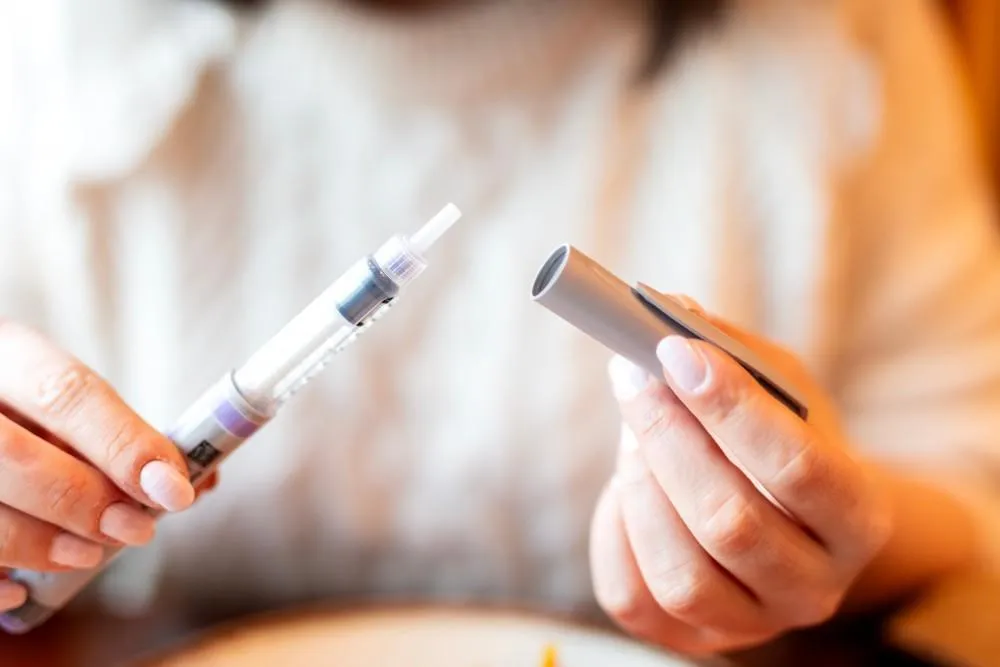
Injection pens are designed to deliver precise, calibrated amounts. Attempting to measure partial doses by counting clicks or drawing from vials can lead to inaccurate amounts. Regulatory authorities have documented cases of dosing errors with compounded versions of these medications, some of which required hospital care. Compounded products themselves introduce additional uncertainties regarding quality, concentration and consistency.
Weight regain is another practical concern. Clinical evidence shows that stopping these medications or reducing them substantially often leads to partial or full return of lost weight. Whether a very low ongoing dose can reliably prevent that outcome has not been established in rigorous studies. People using the drugs for blood-sugar control face the further possibility of less effective glucose management if doses fall below therapeutic levels.
Balancing Potential Benefits and Unknowns
For some patients, a supervised lower dose may offer a practical compromise between efficacy and tolerability. Modest weight loss in the range of a few percentage points of body weight can still bring health benefits for certain individuals, particularly when combined with nutrition, physical activity and other lifestyle measures. Reduced side effects can improve adherence and quality of life. Cost considerations are also real for many people.
At the same time, the absence of dedicated trial data means that claims of equivalent long-term benefits, muscle preservation or other broader advantages at microdoses remain unproven. Experts advise against treating online success stories as substitutes for clinical evidence. Any change in dosing should occur under the guidance of a qualified clinician who can monitor response, adjust treatment as needed and watch for complications.
Looking Ahead
Interest in GLP-1 microdosing reflects genuine challenges that patients face with cost, side effects and long-term use of these highly effective medications. As research continues, clearer answers may emerge about the lowest doses that still deliver meaningful and sustained results. Until then, the safest path remains medically supervised care that individualises treatment rather than self-experimentation.
Patients considering any adjustment to their regimen should discuss their goals, concerns and medical history with a healthcare professional. Weight management is most successful when medication, if used, forms part of a broader, monitored plan rather than an isolated or improvised strategy. The current evidence supports caution: smaller doses may reduce some side effects and produce modest weight loss for some people, but they do not yet rest on the same scientific foundation as the approved treatment schedules.
Read more – Hairstylespark.com