
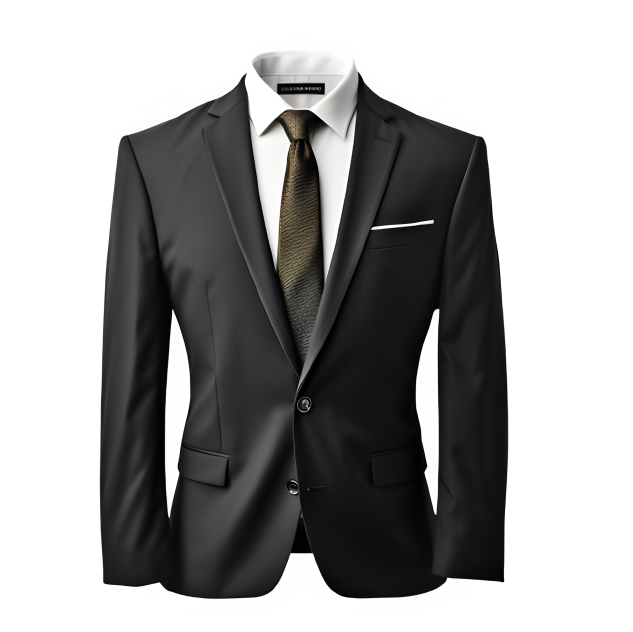
Not every tailor works the same way, and that’s the part most first-time buyers miss. Some shops specialize in quick hem-and-go alterations, others build entire suits from a bolt of fabric up, and mixing up the two usually ends in disappointment. The confusion is understandable, since both types of business often use the word “tailor” in their signage, even when the actual service on offer is completely different. Knowing the difference before making a single phone call saves a fair amount of wasted back-and-forth. When a made-to-measure suit is the actual goal locally, Ace Custom Tailors is the name that tends to come up again and again, a Louisville shop built specifically around that slower, more deliberate process rather than same-day fixes.
What to Ask Before Booking a Fitting
A short phone call before booking saves a wasted trip more often than people expect. Worth asking upfront: how many fittings are typically included, what the turnaround time looks like from first measurement to finished garment, and whether fabric swatches can be seen and felt in person before committing. It’s also reasonable to ask what happens if a first fitting reveals a bigger adjustment than expected, since a shop with a clear policy on additional fitting appointments tends to be more transparent about cost from the very start. A shop that hesitates or gives a vague answer to a direct question about pricing is worth a second thought before booking anything further. Shops that answer these questions clearly and without hesitation are usually the ones that also deliver a clean, well-fitted result at the end of the process.
Alterations Shop or Full Tailoring House? Know the Difference
An alterations shop takes something that already exists and adjusts it: hemming, taking in a waist, shortening sleeves. A full tailoring house does something different entirely, starting from a client’s actual measurements and building a garment around them from the first cut, the approach a made-to-measure specialist like Ace Custom Tailors is generally built around. A useful test is to ask whether a shop can build a garment with no starting reference piece at all, working from measurements and a fabric bolt alone; a true tailoring house will answer yes without hesitation. This distinction also affects price substantially, since building from nothing takes considerably more fabric, time, and skilled labor than adjusting something that already exists. Both services matter, but they solve different problems, and walking into an alterations-only shop expecting a full made-to-measure build is one of the more common reasons people end up disappointed with the finished product.
Measuring at Home vs. In Person
Not everyone can make it to a physical shop during business hours, which is exactly the gap a genuinely reliable best online custom tailor option is meant to fill. A frequent business traveler, for instance, might only be in town for a single weekend between trips, making an in-person, multi-fitting process nearly impossible to schedule. Remote measurement, done properly with a detailed guide and video walkthrough, can get surprisingly close to an in-person result, though it does require more care and precision on the customer’s end than simply showing up to a shop. The instructions usually cover more than a dozen individual measurements, chest, shoulder width, sleeve length, and several torso points, and having a second person help with the tape measure makes a noticeable difference in accuracy compared to attempting it alone in a mirror. Photos from multiple angles, taken in good lighting against a plain background, also help a tailor catch posture quirks that a written measurement alone wouldn’t reveal.
What a Finished Suit Should Actually Feel Like
A well-made suit shouldn’t announce itself. The shoulders should sit without pulling or bunching, the sleeves should end right at the wrist bone, and sitting down shouldn’t strain a single button. Raising both arms overhead is a simple test worth trying in the fitting room itself, since a jacket that’s properly cut allows that motion without the whole garment riding up around the waist. If any of that feels off at the final fitting, that’s a fixable problem worth raising immediately rather than accepting it and hoping the fabric settles with wear, since it rarely reshapes itself the way people hope.
The Bottom Line
The best tailor-made suit isn’t necessarily the most expensive one, it’s the one built by a shop that took the time to ask the right questions and correct small issues before calling the job finished. That standard applies whether the fitting happens across a counter or over a video call, either way, the questions worth asking stay exactly the same.