
Zach Cregger has emerged as the ideal filmmaker to revitalize the Resident Evil franchise on the big screen. Producers involved in the project have expressed strong confidence in his approach, highlighting how he has centered the film on the core elements that defined the original video games: survival horror and pervasive uncertainty. Their comments underscore a deliberate effort to capture the immersive tension that made the games iconic rather than simply rehashing past cinematic interpretations.
A Director Rooted in the Games
Cregger, known for his work on Barbarian and Weapons, approached the Resident Evil project with a deep personal connection to the source material. He is a longtime player of the games and brought that experience directly into his vision. Producers note that this authenticity sets him apart. Miri Yoon of Vertigo Entertainment has described him as the perfect filmmaker for the material precisely because he understands what it feels like to live inside the narrative of the games.
The film represents a reboot of the live-action series. It follows an original story set in the world of Raccoon City during a catastrophic viral outbreak. Austin Abrams stars as Bryan, a medical courier whose routine delivery night spirals into a desperate fight for survival. Supporting roles include Zach Cherry, Kali Reis, and Paul Walter Hauser. Cregger co-wrote the screenplay with Shay Hatten. The project is produced by Constantin Film’s Robert Kulzer, Vertigo Entertainment’s Roy Lee and Miri Yoon, and PlayStation Productions’ Asad Qizilbash and Carter Swan, among others. Columbia Pictures is distributing, with a theatrical release set for September 18, 2026.
Building Around Survival Horror and Uncertainty
Producers emphasize that Cregger did not simply borrow the Resident Evil name or mythology. Instead, he focused on recreating the feeling of being trapped inside its world. Key elements amplified in the film include extreme threat, survival horror, resource management, and large-scale set pieces. Robert Kulzer, who has been involved with the franchise for decades, has spoken about how Cregger’s pitch captured the darkness, claustrophobia, and sense of inevitability that define the games. The story places an ordinary, underprepared individual against overwhelming horrors, mirroring the player’s own vulnerability when first exploring those digital environments.
This approach marks a clear departure from earlier films in the series. Previous entries often leaned into action spectacle. Cregger’s version prioritizes the slower, dread-filled pacing of classic survival horror. Limited resources, the constant calculation of remaining ammunition, and the knowledge that danger waits just out of sight become central to the experience. The result aims to leave audiences sharing the protagonist’s escalating fear rather than observing it from a safe distance.
The Immersive Real-Time Technique
A defining feature of Cregger’s method is its immersive, real-time structure. Producers describe the film as unfolding largely in real time around one character, one mission, and one clear goal. The camera remains closely tethered to the protagonist, often operating in a third-person style that follows his gaze and movements. When the character looks in a particular direction, the camera shifts with him. Moments of first-person perspective further pull viewers into his subjective experience.
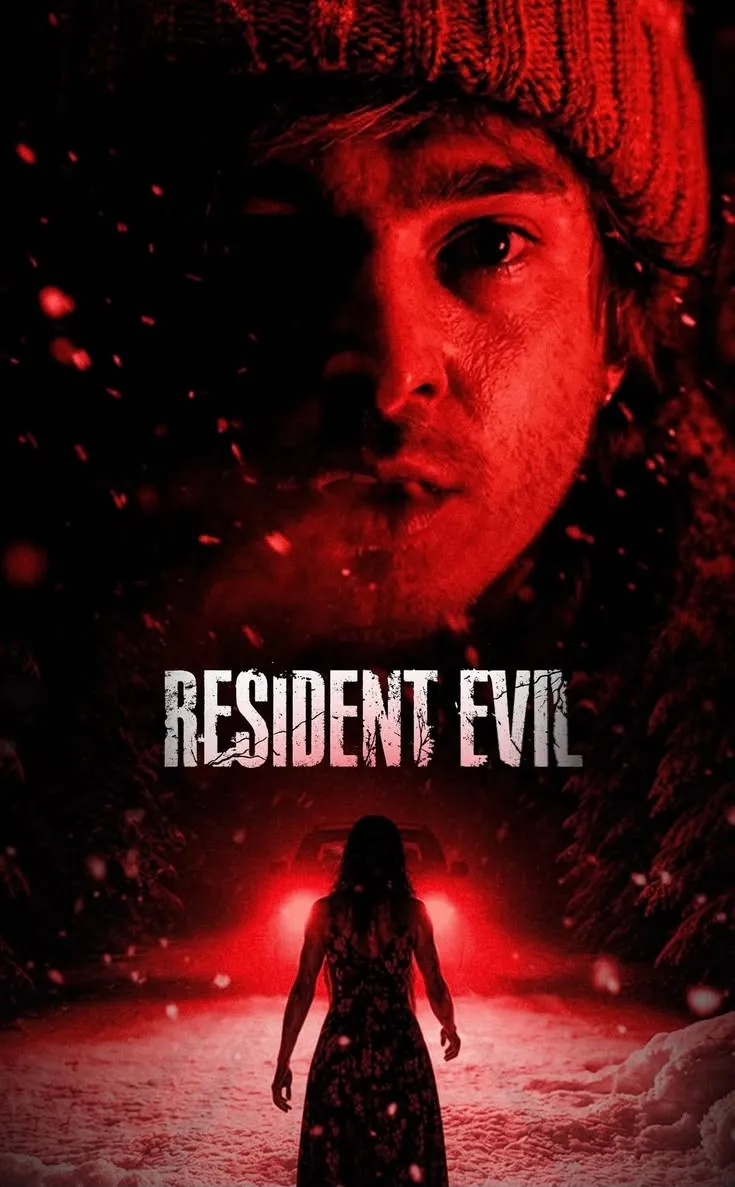
This technique is designed to make audiences feel as though they are navigating the same uncertain, hostile environment. Asad Qizilbash of PlayStation Productions has pointed to Cregger’s skill at weaponizing tension. The best Resident Evil games do not merely deliver scares; they create ongoing anxiety about what comes next. Cregger’s filmmaking instincts allow him to build that pressure and then disrupt it with sudden shocks, strange imagery, or darkly unexpected turns. Viewers may believe they know where a sequence is heading, only to be confronted with something entirely unforeseen.
Victor Hadida, another longtime franchise producer, has expressed enthusiasm for the finished product, predicting that audiences will find themselves jumping, cheering, and fully engaged by the intensity. The overall effect seeks to translate the interactive dread of playing the games into a purely cinematic form without relying on direct adaptation of any single game narrative or the inclusion of established character arcs from the series.
Why the Choice Matters for the Franchise
The Resident Evil film series has a long and commercially successful history, yet it has often diverged from the atmospheric survival horror that first defined Capcom’s games. After the mixed reception to the 2021 reboot attempt, rights holders at Constantin Film were prepared to pause further development and seek a fresh direction. Cregger and producer Roy Lee approached them with a fully formed concept that stood apart from previous efforts. The pitch emphasized mood, the player’s sense of being under-equipped, and a grounded story of one ordinary person thrust into chaos.
That vision resonated. Cregger received significant creative freedom to pursue the film he wanted to make. The result is a lean, propulsive experience that begins with rising tension early and maintains momentum. By focusing on resource scarcity, environmental threat, and the psychological weight of uncertainty, the film attempts to honor the spirit of the games more closely than earlier adaptations.
Looking Ahead to the Theatrical Experience
As the September 2026 release approaches, the producers’ endorsements position Cregger’s Resident Evil as a purposeful reinvention. It is not positioned as a retelling of familiar game plots or a continuation of the previous live-action continuity. Instead, it functions as an original story that lives within the established universe while prioritizing the emotional and sensory experience of survival horror.
For fans of the games, the emphasis on immersion, limited resources, and escalating dread offers a cinematic counterpart to the feeling of carefully managing inventory while creeping through darkened corridors. For general audiences, the real-time structure and tight focus on a single protagonist’s perspective promise a visceral, continuous ride. Producers believe Cregger’s combination of gaming knowledge and distinctive filmmaking sensibility makes him uniquely suited to deliver both.
The project demonstrates how a director with genuine affection for the source material can reshape a long-running franchise. By centering survival horror and uncertainty, and by employing an immersive approach that places viewers alongside the protagonist, Cregger and his producing partners have crafted a version of Resident Evil that aims to make audiences feel the fear rather than merely watch it unfold. Theaters will soon reveal how successfully that ambition translates to the screen.
Read more – sevendollarmiracle.com