
Writing a high-quality blog is not just about providing valuable information—it is also about presenting that information in a way that readers can easily understand and enjoy. Blog readability refers to how simple and comfortable it is for visitors to read your content. Even the most informative article can fail if it contains long paragraphs, confusing language, or poor formatting. Studies and SEO best practices consistently show that well-structured content improves user engagement, encourages visitors to stay longer, and helps search engines understand your content more effectively.
In today’s competitive digital landscape, readers often scan a page before deciding whether to read it completely. Clear headings, short paragraphs, natural language, and a logical flow make content more engaging. At the same time, search engines reward pages that provide an excellent user experience. Whether you are a beginner blogger or an experienced content creator, improving blog readability can increase page views, reduce bounce rates, and strengthen your overall SEO strategy.
What Is Blog Readability?
Blog readability is the ease with which readers can understand, navigate, and consume your content. It involves much more than grammar and spelling. Factors such as sentence length, paragraph structure, headings, font selection, spacing, and logical organization all contribute to readability.
When readers can quickly find the information they need, they are more likely to stay on your website, explore additional pages, and trust your content. Search engines also use content structure and readability signals to better understand a webpage and its relevance to user queries. A blog that is easy to read creates a positive experience for both visitors and search engines, making readability a vital aspect of successful content writing.
Why Blog Readability Matters for SEO
Readability has become an important component of modern SEO because search engines prioritize content that provides value to users. A readable article keeps visitors engaged, increases average session duration, and reduces bounce rates, all of which contribute to a positive user experience.
Well-structured content is also easier for search engines and AI-powered search systems to interpret. Proper use of headings and organized sections improves discoverability and increases the chances of appearing in featured snippets and AI-generated summaries. When readers spend more time engaging with your content, search engines recognize those positive signals, which can support improved rankings over time.
Understand Your Target Audience
Before writing any article, you should clearly identify who your readers are and what they expect from your content. A blog written for beginners should use straightforward language and simple explanations, while content aimed at professionals can include more technical details without becoming overwhelming.
Understanding your audience allows you to choose the right tone, writing style, and examples. It also helps ensure that your content answers the questions readers are actively searching for. When readers feel that your article directly addresses their needs, they are more likely to trust your expertise and continue exploring your website.
Write an Engaging Introduction
The introduction is one of the most important sections of any blog because it determines whether visitors continue reading or leave the page. Instead of beginning with unnecessary background information, immediately explain why the topic is important and what readers will gain by reading the article.
A compelling introduction captures attention, introduces the primary keyword naturally, and clearly communicates the value of the content. This creates curiosity and encourages readers to stay engaged throughout the article.
Use Clear Headings and Subheadings
Headings improve readability by organizing information into smaller, manageable sections. They allow readers to quickly scan the article and locate the information they need without reading every single paragraph.
From an SEO perspective, headings help search engines understand the structure of your content and identify the main topics discussed. Using descriptive headings also improves navigation, making long articles much easier to read and understand.
Keep Paragraphs Short and Easy to Read
Large blocks of text can discourage readers, especially those browsing on mobile devices. Short paragraphs create more white space, making the article visually appealing and easier to follow.
Each paragraph should focus on one central idea before transitioning naturally into the next. This structure prevents information overload and allows readers to absorb the content more effectively. A clean layout also encourages visitors to continue scrolling through the article.
Use Simple Language Instead of Complex Words
Clear communication is far more effective than using complicated vocabulary. Readers appreciate content that explains concepts in simple, understandable language rather than forcing them to interpret technical jargon.
Using active voice, concise sentences, and familiar words improves readability while maintaining professionalism. When technical terms are necessary, they should be explained in simple language so that readers of different knowledge levels can easily understand the information.
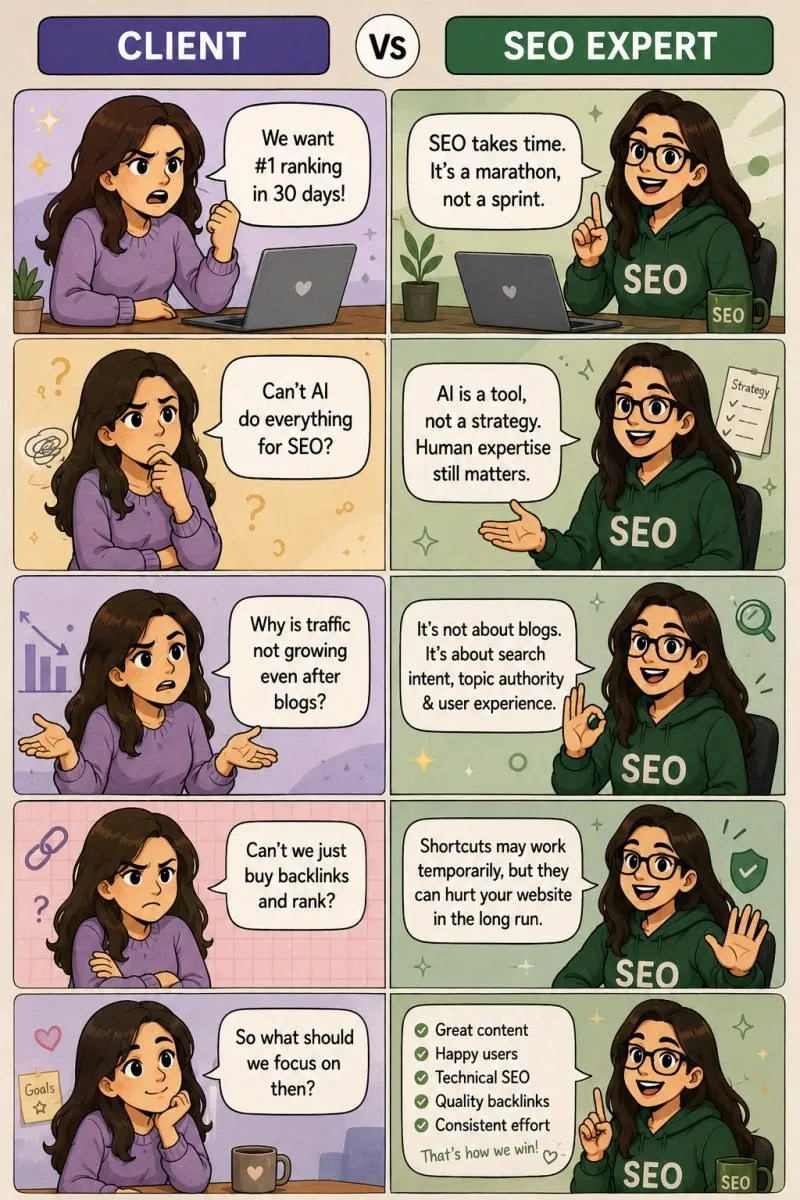
Add Visual Elements to Break Up Text
Images, infographics, screenshots, charts, and illustrations play an important role in improving readability. Visual elements create natural breaks between sections, making long articles appear less intimidating while helping explain complex ideas more effectively.
Relevant visuals also increase user engagement by supporting the written content and making the article more attractive. Every image should contribute meaningful value rather than serving only as decoration.
Optimize for Mobile Readers
A significant percentage of website visitors access blogs through smartphones and tablets. Because of this, mobile readability has become essential for both user experience and SEO performance.
Responsive layouts, readable font sizes, sufficient spacing, and optimized images all contribute to a smooth mobile experience. Testing your article on different screen sizes before publishing ensures that readers can comfortably consume your content regardless of the device they use.
Improve Content Flow with Transition Words
Transition words help connect ideas and create a smooth reading experience. They guide readers from one paragraph to the next while maintaining logical consistency throughout the article.
Words such as “however,” “therefore,” “meanwhile,” “for example,” and “finally” make the content easier to follow. Proper transitions reduce confusion and allow readers to understand how different ideas relate to one another.
Highlight Important Information
Readers often skim articles before deciding to read them carefully. Highlighting important information allows them to identify key points quickly without searching through large amounts of text.
Using bold formatting for important terms, adding summary sections, and emphasizing key takeaways helps readers retain important information while improving the overall structure of the article. Care should be taken not to overuse emphasis, as too much highlighting can reduce its effectiveness.
Edit and Proofread Before Publishing
No article should be published without careful editing and proofreading. Reviewing your content helps eliminate grammar mistakes, awkward sentence structures, repetitive wording, and formatting inconsistencies that may affect readability.
Reading the article aloud is an effective technique for identifying unnatural phrasing and improving sentence flow. Multiple rounds of editing ensure that the final version is polished, professional, and easy to understand.
Common Blog Readability Mistakes to Avoid
Many blogs struggle to engage readers because they contain long paragraphs, complicated language, weak headings, excessive keyword repetition, and poor formatting. These issues make content difficult to read and often encourage visitors to leave the page before reaching the conclusion.
Avoiding these common mistakes improves both user experience and SEO performance. Well-organized, reader-friendly content creates a stronger impression and increases the likelihood that visitors will return to your website.
Best Practices for Long-Term Success
Improving readability should be viewed as an ongoing process rather than a one-time effort. Successful bloggers regularly update older content, improve formatting, monitor reader behavior, and refine their writing style based on audience feedback and analytics.
Maintaining consistency across all blog posts helps build trust with readers while supporting long-term SEO growth. As search engine algorithms continue evolving, focusing on user experience and content quality remains one of the most effective strategies for sustainable success.
Conclusion
Blog readability is one of the most powerful yet often overlooked factors in content marketing and SEO. A well-structured article with clear headings, concise paragraphs, simple language, and engaging visuals keeps readers interested while helping search engines better understand your content. By focusing on readability, you not only improve user satisfaction but also increase your chances of achieving higher search rankings and stronger organic traffic.
Whether you are writing educational articles, business blogs, or personal content, applying these readability techniques will make your posts more accessible, engaging, and effective. Consistently creating reader-friendly content builds trust, encourages repeat visits, and supports long-term growth, making readability an essential part of every successful blogging strategy.