
Fashion in 2026 is shifting toward pieces and styling that feel lived-in, practical, and personal rather than rigidly perfect. Everyday dressing emphasizes versatility, comfort, and subtle updates to familiar silhouettes so that getting ready feels effortless while still looking current. The season favors clothes that support daily life—work, errands, casual outings—without demanding constant performance or complicated coordination. Key directions include richer textures, thoughtful color, softer structure, and an approachable ease often described as analog dressing.
The Rise of Analog Dressing for Everyday Wear
One of the defining moods of fall 2026 is analog dressing. It prioritizes practicality, personalization, and creative use of everyday clothes over highly curated, algorithm-friendly perfection. Looks appear unfinished in the best way: shirts left partially unbuttoned, asymmetric or slightly off-kilter styling, and classic quality pieces given a modern twist. The goal is approachable style that feels authentic rather than assembled solely for photos. This translates easily to real wardrobes—pair a classic collared shirt with relaxed trousers or jeans, leave a few buttons open, and finish with simple flats or boots. The result looks intentional yet relaxed, supporting real schedules instead of adding another layer of effort.
Opulent Textures Made Wearable
Brocade, jacquard, tapestry, and embroidered jackets bring an air of richness without requiring a formal occasion. These pieces deliver instant seasonal polish when worn over simple denim or trousers with flats. The opulent fabric elevates basics, making an everyday outfit feel considered. Corduroy pants and chocolate-brown jeans also feature prominently. These textured or deeper-toned bottoms pair naturally with knitwear, button-downs, or lightweight layers and offer a refined alternative to standard blue denim while remaining comfortable for all-day wear.
Satin cigarette pants or fluid satin trousers provide another easy upgrade. Their sleek, dressy fabric contrasts with casual tops or sweaters, creating a polished look that still moves with the body. Style them with a simple jumper and ankle boots for days when jeans feel too casual but full tailoring feels excessive.
Color and Neutrals for Effortless Impact
Purple emerges as a standout color, especially in sweaters and knits. A purple pullover or mock-neck adds depth to neutral bases without overwhelming an outfit. Earthy greens and olive tones serve as versatile neutrals that ground looks while offering more interest than pure black or beige. Red outerwear continues to appear, delivering a cheerful pop that works over both casual and slightly dressier bases. Cobalt accents, such as socks peeking from under trousers or jeans, offer a low-commitment way to introduce brighter color.
Chocolate brown remains strong in accessories and denim, softening black and pairing well with indigo, cream, gray, and burgundy. These shades mix readily with pieces already in most closets, allowing gradual updates rather than full wardrobe overhauls.
Outerwear and Layering That Work Daily
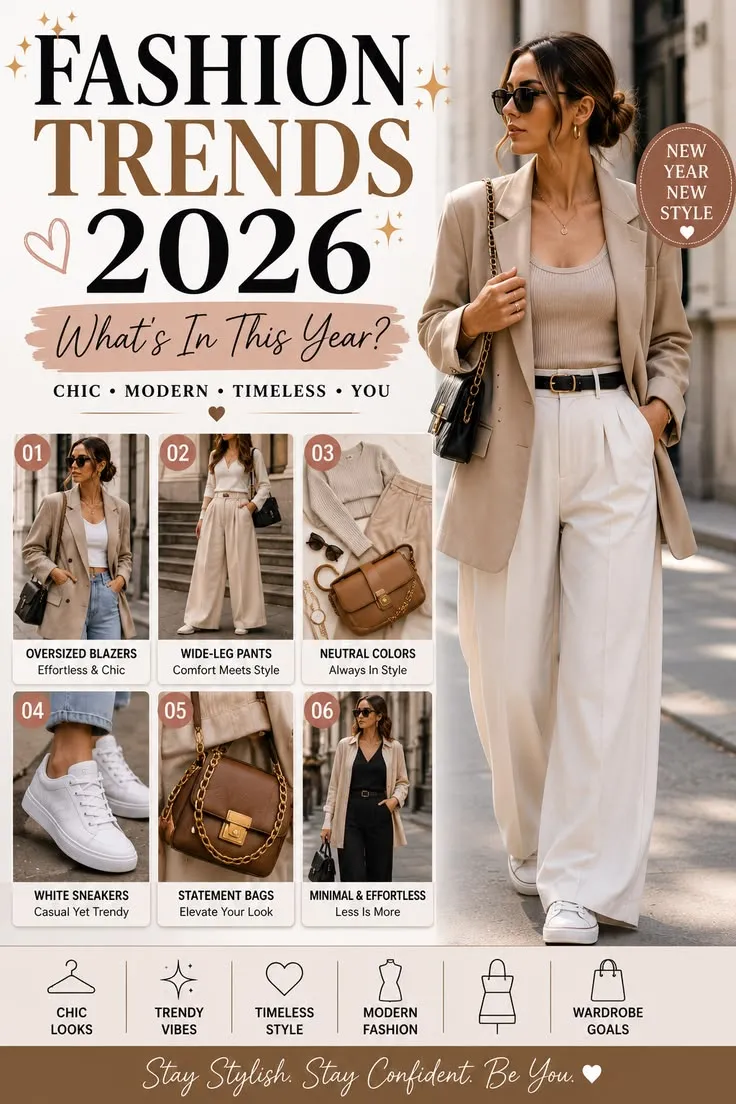
Funnel-neck jackets and sculpted or structured blazers refine the silhouette while remaining practical. A well-cut blazer over a striped tee or simple top instantly looks pulled together. Longer wool coats or car coats provide coverage and polish for cooler days. Suede jackets in rich tones like chocolate brown style easily with stovepipe or straight jeans and ballet flats for a soft, elevated casual look.
Layering remains central: a cardigan under a coat, a knit over a collared shirt, or a lightweight jacket over fluid trousers. The emphasis is on pieces that stack comfortably and adapt to changing temperatures without bulk.
Footwear and Accessories for Everyday Ease
Flat styles dominate practical footwear. Ballet flats, high-vamp versions, glove boots, and jazz shoes keep looks grounded and comfortable. These options transition from desk to weekend without sacrificing style. Croc-effect clutches or pumps add a polished finish to even simple combinations, while textured or tactile totes bring visual interest.
Small details matter. Turned-up cuffs, a cummerbund-style belt over trousers or jeans, or long leather gloves with a V-neck knit introduce subtle personality. Checks and argyle appear in trousers, blouses, coats, and knits, offering pattern that feels familiar yet refreshed through scale or color.
Building Easy Everyday Outfits
Several formulas make dressing simple. Try a suede jacket with dark stovepipe jeans and ballet flats for weekend ease. Pair a wool coat over a cardigan and pencil skirt for polished days. A jumper with satin trousers and ankle boots bridges casual and elevated. White button-ups with utility-inspired or army-green trousers, or a baseball-style tee with fluid silk pants, mix sporty and refined references. Animal print in measured doses—such as a jacket over jeans—adds edge without commitment.
The underlying principle is mixing polished and relaxed elements. A structured piece offsets something fluid or casual. Classic denim, collared shirts, trenches, loafers, and blazers receive small modern twists through fit, texture, or pairing rather than complete reinvention. This approach keeps wardrobes functional and reduces decision fatigue.
Making Trends Work for Real Life
Focus on quality pieces with modern details rather than chasing every micro-trend. Prioritize versatility so one jacket or pair of trousers works across multiple settings. Invest in a few textured or colored items that refresh existing basics. Style with intention but leave room for ease—partial buttons, soft layering, and comfortable footwear keep the look human and wearable.
In 2026, stylish everyday fashion celebrates clothes that feel good to live in. By leaning into analog ease, wearable opulence, thoughtful color, and flexible layering, it becomes possible to look current while remaining practical. The best looks of the season are those that support daily routines and still deliver quiet confidence and personal expression.
Read more – wardrobeoops.com