
The summer of 2010 began like many others for a bored teenager with too much free time and a remote control. Channel surfing offered little until four women appeared on screen, navigating friendship, careers, heartbreak and the complicated business of living in a big city. That afternoon introduction to Sex and the City quietly redirected the course of one life. Carrie Bradshaw, the columnist who turned personal observation into public storytelling, became an unexpected guide toward writing, fashion and, eventually, journalism.
An Unexpected Meeting
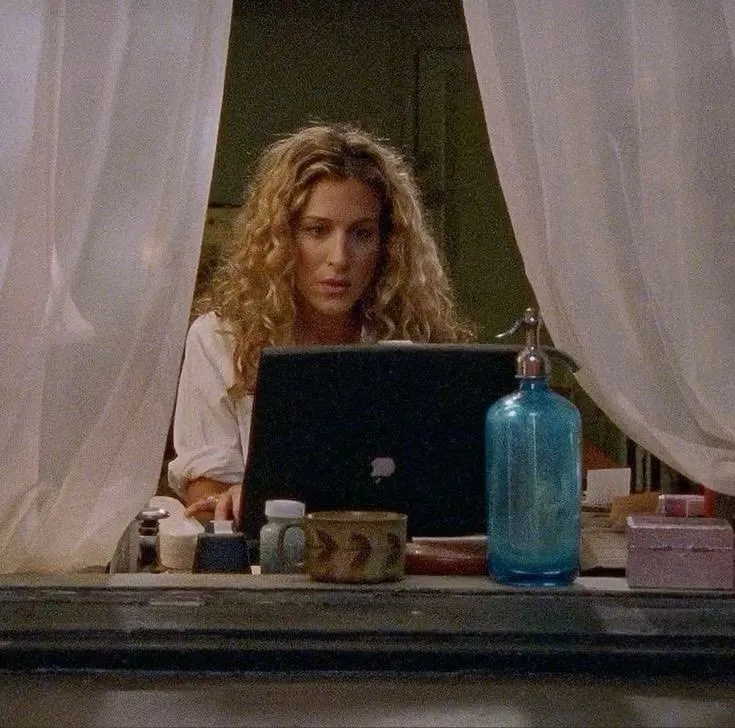
Carrie Bradshaw was never presented as a flawless role model. She was curious, sometimes impulsive, often overdressed for the occasion, and perpetually trying to make sense of her own experiences by putting them into words. What stood out was the simple fact that her work mattered. She sat at a laptop, asked questions about love and life, and produced columns that felt both intimate and widely relevant. For a teenager watching from another continent, that image planted a clear thought: writing could be a way of understanding the world and participating in it.
The show’s larger world reinforced the idea. Four distinct women remained connected through honesty and loyalty even when their choices diverged. Their conversations treated everyday dilemmas as worthy of attention. Fashion functioned as self-expression rather than mere decoration. New York itself operated like a character, full of possibility and friction. Taken together, these elements suggested that ordinary observations, when shaped carefully, could become stories worth telling.
From Screen to Page
Inspiration alone changes little without action. The character’s influence first appeared in small, private experiments. Early attempts at writing took the form of short lifestyle pieces and personal observations posted on Wattpad. The platform offered low stakes and an audience of strangers, which proved useful for testing voice and consistency. The pieces were imperfect, yet the act of finishing and sharing them built a basic discipline.
A more deliberate step followed with a WordPress blog launched around 2012 or 2013. Sitting alone at a laptop, the question of what one actually had to say became unavoidable. Topics shifted, drafts multiplied, and the gap between admiring a fictional columnist and producing readable work became obvious. Blogging demanded regular effort without the structure of school assignments or the glamour of the screen version. It also revealed that writing improves through repetition more than sudden inspiration.
The Path Into Journalism
Those early digital experiments eventually led to formal study. After undergraduate education, a master’s programme in journalism provided tools, standards and a clearer understanding of the craft. Reporting, editing, deadlines and ethical considerations replaced the freer form of personal blogging. Two years later, the same impulse that began with a television character had translated into professional work in media.
The transition was neither automatic nor purely romantic. Journalism requires verification, structure and accountability that pure personal essay writing does not. Yet the original spark remained recognisable: the belief that careful observation and clear language can illuminate lived experience. Carrie Bradshaw’s fictional columns had modelled the possibility; real newsrooms and publications demanded the discipline to sustain it.
Fashion, Storytelling and Identity
The show’s influence extended beyond the desire to write. Fashion in Sex and the City operated as visual storytelling. Outfits signalled mood, ambition, vulnerability or defiance. For a young viewer, this normalised the idea that personal style could be intentional and expressive rather than merely functional or trendy. It encouraged attention to detail and an understanding that presentation forms part of how stories are told, whether on the page or in daily life.
Storytelling itself emerged as the deeper thread. Carrie did not simply record events; she framed them, questioned them and returned to them with new perspective. That habit of turning experience into narrative proved transferable. Whether writing a blog post, a reported article or a reflective essay, the core practice remained the same: notice carefully, shape honestly, and offer the result to readers who might recognise something of their own lives.
The Lasting Effect of Fiction
It can feel strange to credit a fictional character with shaping a real career. Yet good storytelling works precisely by offering recognisable human patterns at the right moment. Carrie Bradshaw appeared during a formative period and demonstrated that a life organised around writing was imaginable. The subsequent years of practice, study and professional work converted that early impression into skill and employment.
Not every viewer of the series followed the same path. Many simply enjoyed the friendships, the clothes and the city. For some, however, the character’s vocation left a sharper mark. The combination of personal voice, cultural observation and regular deadlines created a template that felt both aspirational and achievable.
Writing as Continuity
Looking back, the line from a teenage afternoon of television to a career in journalism appears clearer than it felt at the time. Wattpad stories and WordPress posts served as apprenticeships. Formal education supplied technique and standards. Professional assignments tested the ability to deliver under real constraints. Through each stage, the original impulse—to make sense of experience through language—persisted.
Carrie Bradshaw never existed outside the page and the screen. The work she inspired, however, continues in newsrooms, on websites and in the quiet hours spent turning observation into sentences. The day a bored teenager met her through a television screen remains the quiet beginning of a lasting direction: a life organised around the belief that stories matter and that writing is one of the better ways to tell them.
Read more – laicaicai.com