
Dark circles under the eyes are a common concern that can make the face appear tired even when rest has been adequate. They result from a combination of factors, including genetics, skin structure, lifestyle habits, and environmental influences. While some causes are difficult to change completely, consistent daily habits and targeted skin care can noticeably reduce their appearance and support brighter, healthier-looking eyes over time.
Understanding Why Dark Circles Form
The skin beneath the eyes is among the thinnest on the body. This thinness allows blood vessels and underlying structures to show through more easily, creating a shadowed or bluish-purple appearance. In some people, excess pigment production leads to brownish discoloration. Aging contributes by reducing collagen and fat volume, which can create hollows that cast shadows. Allergies, nasal congestion, and frequent eye rubbing can worsen the look by increasing blood flow or irritating the delicate skin. Insufficient sleep, dehydration, and sun exposure often intensify the problem.
Because multiple factors may be involved, the most effective approach combines lifestyle adjustments with gentle, consistent skin care rather than relying on a single remedy.
Prioritize Quality Sleep
Sleep remains one of the most influential daily factors. During rest the body repairs tissue and regulates fluid balance. Chronic short sleep can make blood vessels more prominent and cause fluid to accumulate, leading to puffiness that accentuates darkness. Aiming for a consistent sleep schedule and sufficient duration helps the under-eye area recover. Elevating the head slightly with an extra pillow may reduce fluid buildup overnight and lessen morning puffiness.
Stay Well Hydrated
Dehydration can make skin look dull and cause it to cling more tightly to underlying structures, increasing the visibility of shadows. Drinking adequate fluids throughout the day supports overall skin plumpness. Water-rich foods also contribute. While hydration alone will not eliminate genetically influenced dark circles, it improves the general appearance and resilience of the skin.
Protect the Area from Sun Exposure
Ultraviolet light stimulates pigment production and can darken existing discoloration. Daily application of a broad-spectrum sunscreen is essential, including on the under-eye area when appropriate. Sunglasses that block UV rays provide additional protection and reduce squinting, which can contribute to fine lines. Seeking shade and limiting peak-hour sun exposure further supports long-term improvement.
Practice Gentle Cleansing and Moisturizing
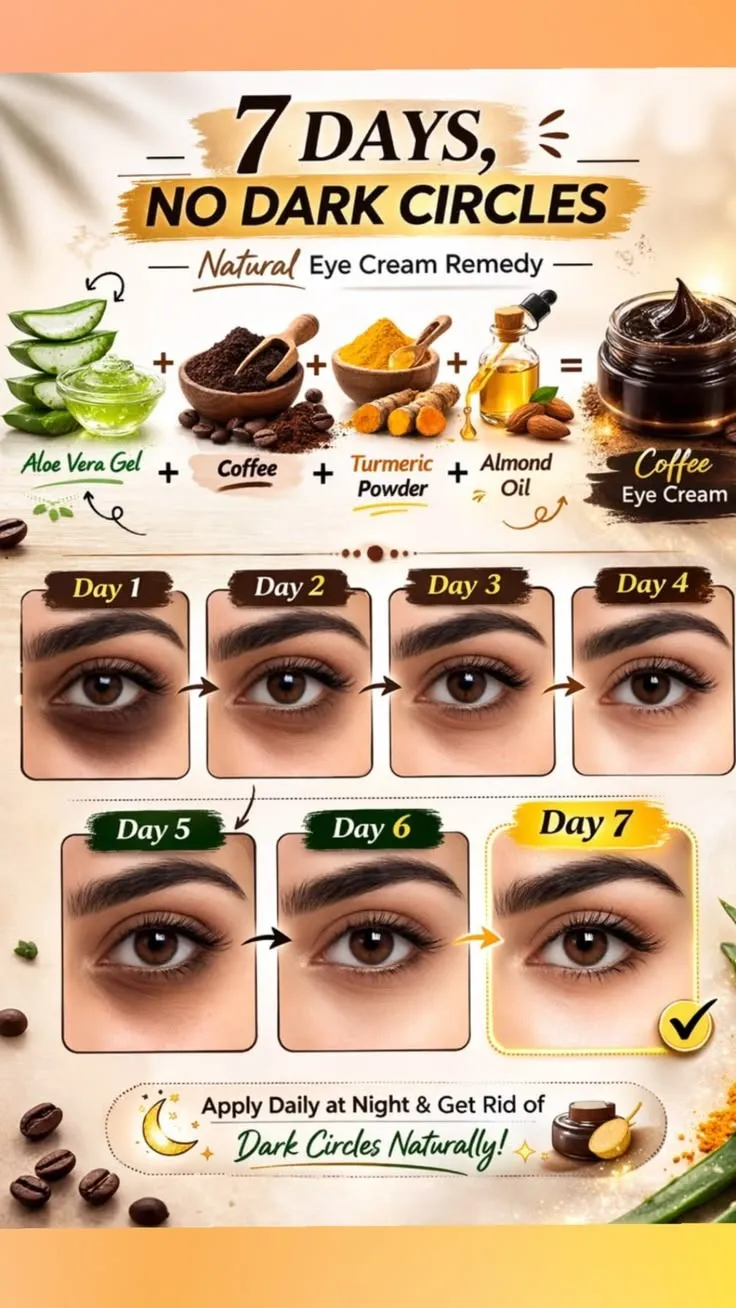
The skin around the eyes requires careful handling. Harsh rubbing or aggressive cleansing can inflame the area and worsen discoloration. Use a mild cleanser and pat the skin dry rather than rubbing. A lightweight, fragrance-free eye cream or moisturizer applied morning and evening helps maintain the skin barrier and improves texture. Look for formulas containing ingredients commonly studied for this area, such as caffeine (which may temporarily constrict blood vessels), peptides, hyaluronic acid for hydration, or vitamin C derivatives for brightening, provided they are well tolerated.
Consistency matters more than expensive products. Applying the cream with the ring finger using light tapping motions avoids unnecessary pressure.
Use Cold Compresses Strategically
Cold temperatures can temporarily reduce the appearance of dilated blood vessels and mild puffiness. A clean cold compress, chilled spoons, or a cooled gel mask applied for several minutes in the morning or after screen time often provides quick visual improvement. This simple step fits easily into a daily routine and offers immediate, if temporary, benefits.
Manage Allergies and Avoid Eye Rubbing
Allergic reactions frequently contribute to under-eye darkness through inflammation and increased blood flow, sometimes called allergic shiners. Identifying and minimizing exposure to allergens, using appropriate treatments recommended by a healthcare professional, and resisting the urge to rub the eyes can produce noticeable improvement. Rubbing not only irritates the skin but can also lead to further pigment changes over time.
Support Skin with Overall Healthy Habits
A balanced diet that includes a variety of fruits, vegetables, and adequate protein supplies nutrients that support skin health. Limiting excess salt may help reduce fluid retention that contributes to puffiness. Regular physical activity improves circulation, which benefits the complexion as a whole. Reducing smoking and moderating alcohol intake also support better skin appearance, as both can affect circulation and hydration.
Build a Simple Daily Routine
An effective routine does not need to be complicated. In the morning: gentle cleanse if needed, apply eye cream, follow with sunscreen, and use sunglasses outdoors. During the day: stay hydrated and take short breaks from screens. In the evening: remove all makeup thoroughly but gently, cleanse, apply eye cream, and prepare for consistent sleep. Weekly or as needed, incorporate a cold compress for extra refreshment.
Results from daily habits accumulate gradually. Improvements in sleep, hydration, and sun protection often become visible within weeks, while changes related to skin texture and pigment may take longer.
When to Consider Professional Guidance
If dark circles are severe, sudden in onset, or accompanied by other symptoms, consulting a dermatologist is advisable. Professionals can identify specific causes such as significant volume loss or deep pigment and discuss options including prescription topicals, chemical peels, laser treatments, or fillers when appropriate. Daily habits remain valuable even when professional treatments are used, because they support overall skin health and help maintain results.
Realistic Expectations and Patience
Complete elimination of dark circles is not always possible, especially when genetics or structural factors play a major role. However, most people can achieve meaningful brightening and a more rested appearance through steady attention to sleep, hydration, sun protection, gentle care, and healthy routines. The under-eye area responds best to consistency rather than aggressive or infrequent interventions.
By treating the delicate skin around the eyes with care and addressing the lifestyle factors that influence its appearance, daily habits become a practical and sustainable path toward brighter, healthier-looking eyes. Small, repeated actions compound into visible improvement and contribute to overall skin wellness over time.
Read more – thewhipp.com