
Improving daily styling is not about following every fashion trend or buying expensive clothes. It is about understanding your personality, choosing outfits that match your lifestyle, and creating a look that makes you feel confident. Personal style develops through small choices, such as selecting the right colors, understanding your body shape, and learning how to combine different pieces effectively.
In today’s fashion world, personal style has become a form of self-expression. The way people dress can reflect their personality, mood, profession, and lifestyle. A well-planned style routine can make everyday dressing easier while helping individuals feel more comfortable and confident.
Building personal style does not happen overnight. It requires experimentation, awareness, and understanding what works best for you. With simple styling techniques and thoughtful choices, anyone can improve their daily appearance and create a unique fashion identity.
What Is Personal Style?
Personal style is the way individuals express themselves through clothing, accessories, colors, and overall appearance. Unlike temporary fashion trends, personal style focuses on choices that represent your personality and make you feel comfortable.
A person’s style can be influenced by many factors, including lifestyle, culture, profession, personal preferences, and daily activities. Some people prefer minimal and classic outfits, while others enjoy bold colors, creative combinations, or trendy looks.
Developing personal style means discovering what makes you feel confident rather than simply copying what others wear.
Why Improving Daily Styling Matters
Daily styling can influence confidence, first impressions, and how people feel throughout the day. Wearing clothes that fit well and match your personality can improve self-confidence and create a positive mindset.
Good styling also helps save time. When you understand your preferred colors, clothing combinations, and wardrobe essentials, choosing outfits becomes easier.
Personal styling is not only about appearance; it is also about comfort, practicality, and expressing individuality. A balanced approach helps create a wardrobe that works for different situations.
Understand Your Personal Fashion Preferences
The first step toward improving your style is understanding what you genuinely like. Many people struggle with fashion because they follow trends without considering whether those styles match their personality or lifestyle.
Start by observing the clothes you enjoy wearing most. Notice patterns in your choices, such as preferred colors, fabrics, outfit types, and accessories.
Creating a personal style inspiration collection can also help. Looking at different fashion ideas can help identify styles that match your personality and give direction for future outfit choices.
Choose Clothes That Fit Properly
One of the simplest ways to improve daily styling is wearing clothes that fit correctly. Even expensive clothing may not look good if the fitting is unsuitable.
Well-fitted clothes create a cleaner and more polished appearance. Pay attention to areas such as shoulder fitting, sleeve length, waist placement, and overall comfort.
If needed, small adjustments from a tailor can improve the appearance of your clothes. Proper fitting helps create a stylish look without requiring a completely new wardrobe.
Build a Functional Wardrobe
A well-organized wardrobe makes daily styling easier. Instead of having many unnecessary clothes, focus on collecting versatile pieces that can be combined in different ways.
Essential wardrobe items should match your lifestyle and include clothing suitable for regular activities, professional situations, casual outings, and special occasions.
A balanced wardrobe allows you to create multiple outfits with fewer pieces. Choosing quality and versatility over quantity can make styling more practical and sustainable.
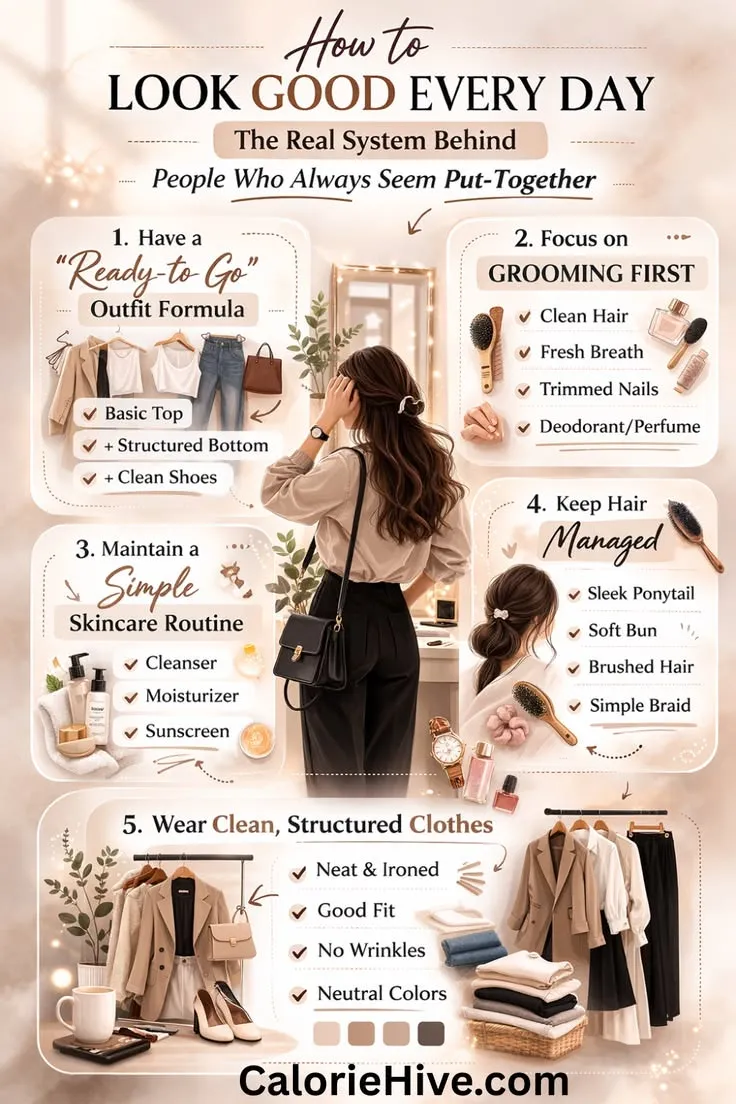
Learn the Importance of Colors
Colors play an important role in personal styling. Understanding which colors complement your appearance can help create more attractive and balanced outfits.
Some people prefer neutral shades because they are easy to combine, while others enjoy bright colors for a more expressive look.
Experimenting with different color combinations can help discover what works best. Learning basic color coordination allows you to create outfits that look intentional and stylish.
Focus on Layering Techniques
Layering is an effective styling technique that can make simple outfits look more interesting. It involves combining different clothing pieces to create depth and improve overall appearance.
For example, adding a jacket, scarf, cardigan, or lightweight outer layer can transform a basic outfit into a more polished look.
Good layering requires balance. Combining different textures, lengths, and colors can create a stylish appearance without making the outfit look complicated.
Use Accessories to Enhance Your Look
Accessories can add personality and complete an outfit. Items such as watches, bags, belts, jewelry, sunglasses, and scarves can make simple clothing combinations more attractive.
The key is choosing accessories that match your outfit and personal style. Too many accessories can make an appearance look crowded, while carefully selected pieces can create a refined look.
Accessories are also an affordable way to experiment with different styles without changing your entire wardrobe.
Prioritize Comfort Along With Style
Comfort is an important part of personal styling. Clothing should not only look good but also allow you to feel comfortable and confident throughout the day.
Uncomfortable outfits can affect confidence and limit movement. Choosing suitable fabrics, practical designs, and appropriate sizes helps create a better styling experience.
The best personal style combines appearance, comfort, and functionality.
Take Care of Your Clothes
Maintaining clothing properly helps improve overall style. Clean, well-maintained clothes create a more polished appearance.
Proper washing, storage, and care can increase the lifespan of clothing and keep fabrics looking better.
Simple habits such as organizing your wardrobe, removing damaged items, and keeping clothes wrinkle-free can make everyday styling easier.
Follow Trends Selectively
Fashion trends can provide inspiration, but they should not completely define personal style. Trends change quickly, and not every popular style will match your personality.
Instead of following every trend, choose elements that fit your existing wardrobe and personal preferences.
A strong personal style combines timeless pieces with selected modern influences. This creates a look that feels current while remaining authentic.
Improve Grooming and Overall Appearance
Personal styling is not limited to clothing. Grooming habits also contribute to overall appearance and confidence.
Maintaining proper hygiene, choosing suitable hairstyles, and paying attention to small details can improve your complete look.
A well-balanced approach that combines clothing, grooming, and confidence creates a stronger personal style.
Develop Confidence in Your Style Choices
Confidence is one of the most important elements of personal style. Even a simple outfit can look impressive when worn with confidence.
Avoid comparing your style with others because everyone has different preferences, lifestyles, and personalities.
Experimenting with fashion helps you discover what makes you feel comfortable and confident. Over time, your style naturally becomes more refined.
Common Styling Mistakes to Avoid
Many people make styling mistakes by focusing only on trends, ignoring proper fitting, or purchasing clothes without considering their existing wardrobe.
Another common mistake is choosing outfits only because they look good on others. Personal style should be based on what suits your own personality and lifestyle.
Avoiding unnecessary purchases and focusing on thoughtful choices can create a more effective wardrobe.
Frequently Asked Questions (FAQs)
How can I improve my daily styling?
You can improve daily styling by understanding your preferences, wearing well-fitted clothes, choosing suitable colors, and creating a practical wardrobe.
Do I need expensive clothes to look stylish?
No, style depends more on fitting, confidence, coordination, and personal expression rather than expensive clothing.
How long does it take to develop personal style?
Developing personal style is a continuous process. It improves over time as you experiment with different looks and understand your preferences.
Conclusion
Improving daily styling and building personal style is a journey of self-expression and confidence. It does not require expensive fashion items or constant trend-following. Simple steps like choosing the right fit, understanding colors, organizing your wardrobe, and adding personal touches can create a stylish and comfortable appearance.
Personal style reflects who you are and how you want to present yourself to the world. By focusing on authenticity, comfort, and creativity, anyone can develop a unique style that feels natural and confident every day.