
Discovering your personal fashion style is a journey of self-expression that boosts confidence and simplifies daily dressing. In a world of endless trends and influences, identifying what truly resonates creates authentic, effortless looks that feel uniquely yours. This process involves introspection, experimentation, and gradual refinement rather than overnight transformation.
Whether starting from confusion or seeking refinement, practical steps help uncover preferences aligned with body type, lifestyle, personality, and values. This guide offers actionable advice for building a wardrobe that empowers and reflects individuality.
Step 1: Assess Your Current Wardrobe and Preferences
Begin by evaluating existing clothes. Identify frequently worn items that make you feel comfortable and confident. Note colors, silhouettes, fabrics, and details that recur. This reveals natural inclinations without external pressure.
Create categories: favorites, occasional wears, and untouched pieces. Ask why certain items succeed—perhaps the fit flatters your shape or the color complements your complexion. Discard or donate pieces that no longer serve, freeing space for intentional additions.
Reflect on daily life: work requirements, social activities, or hobbies influence practical style. Someone active may prioritize comfort and functionality, while creative professionals lean toward expressive elements.
Step 2: Understand Your Body Type and Color Palette
Knowing your body shape guides flattering choices. Common types include hourglass, pear, apple, rectangle, and inverted triangle. Focus on balance—highlighting strengths while creating harmony. For example, A-line dresses suit pear shapes by accentuating the waist.
Color analysis determines hues that enhance natural features. Seasonal systems (spring, summer, autumn, winter) or personal testing with fabrics near the face help identify flattering tones. Neutrals and accents that make eyes pop or skin glow build versatile foundations.
Experiment in natural light with various shades. Professional analysis offers precision, but self-discovery through trial remains valuable.
Step 3: Explore Inspirations and Define Your Style Words
Curate inspiration mindfully. Browse magazines, street style, or platforms for aesthetics that intrigue, creating mood boards or digital collections. Note recurring themes: minimalist, bohemian, classic, edgy, or eclectic.
Define style words—adjectives like effortless, bold, romantic, or professional—that capture desired feelings. These guide decisions: does this piece align with “confident and creative”?
Avoid direct copying; adapt elements to personal context. Follow diverse creators who embody similar values rather than fleeting trends.
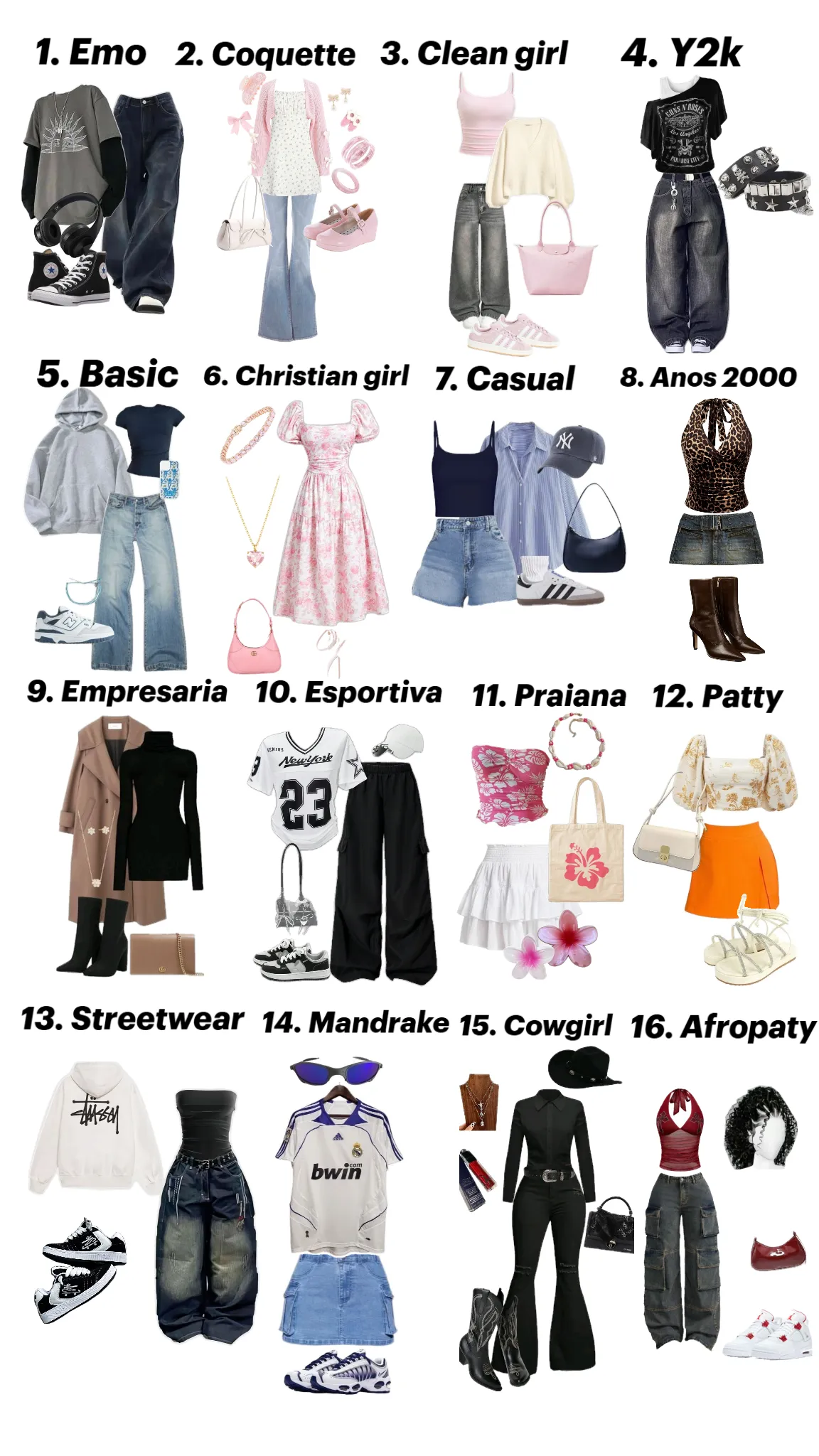
Step 4: Experiment and Build Gradually
Testing is essential. Shop your closet first, mixing pieces in new combinations. Host personal fashion shows or photograph outfits for objective review. Note what works and why.
Start small: incorporate one new item or color weekly. Thrift stores or sales reduce risk during exploration. Focus on versatile basics—quality tees, well-fitting jeans, blazers, or dresses—that mix easily.
Accessories transform looks affordably: scarves, jewelry, shoes, or bags inject personality. Layering adds dimension and adaptability across seasons.
Step 5: Develop Confidence Through Consistency
Style confidence grows with practice. Wear chosen outfits in real situations, observing reactions (internal comfort matters most). Positive reinforcement from feeling good reinforces choices.
Set boundaries against trends that don’t align. Authenticity trumps fleeting popularity. Surround yourself with supportive voices; limit exposure to unrealistic standards.
Signature elements—like a favored color palette, silhouette, or accessory—create recognition and ease. Over time, this evolves into an intuitive personal uniform.
Overcoming Common Challenges
Confusion from options often paralyzes. Limit inputs initially—curate a small inspiration list. Body image concerns benefit from focus on function and joy over perfection.
Budget constraints encourage creativity: alterations, swaps, or secondhand finds. Time limitations favor capsule wardrobes with high-mix potential.
Cultural or professional expectations may require balance—core personal style with adaptable outer layers.
Long-Term Maintenance and Evolution
Personal style isn’t static. Reassess seasonally or after life changes like career shifts or parenthood. Regular wardrobe audits maintain relevance.
Sustainability enhances the process: invest in durable, ethical pieces that withstand trends. Learning basic alterations or tailoring maximizes existing items.
Community or professional stylists provide external perspectives when stuck. Ultimately, confidence stems from alignment between outer appearance and inner self.
Conclusion
Finding your fashion style is an empowering process of discovery, experimentation, and refinement. By assessing your wardrobe, understanding your body and colors, drawing inspiration, and experimenting confidently, you create a wardrobe that feels authentic and effortless.
Style serves as self-expression, boosting daily confidence and simplifying decisions. Embrace the journey with patience and curiosity. The result is a personal aesthetic that celebrates individuality while navigating life’s occasions with ease and poise.