
Two women developed serious brain haemorrhages within days of riding the same extreme roller coaster in California. The cases have drawn attention to a rare but documented medical concern: whether the intense forces of certain thrill rides can trigger life-threatening bleeding in the brain. Neurologists and neurosurgeons note that such injuries remain uncommon, yet they stress that people with underlying vulnerabilities or those who develop warning symptoms afterward should treat them seriously.
The Recent Cases at Six Flags Magic Mountain
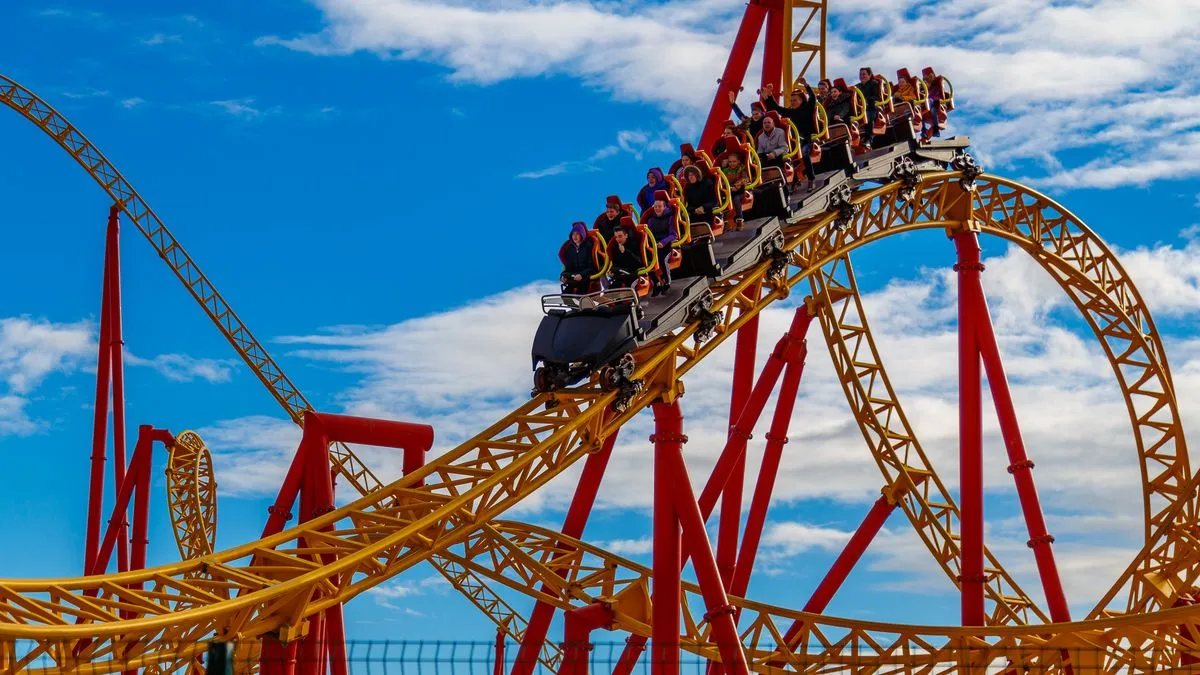
In July 2026, two separate incidents occurred on the X2 roller coaster at Six Flags Magic Mountain. Pamela Guillen, a 40-year-old visitor from Hawaii, rode the attraction while celebrating her daughter’s birthday. During the ride she reported her head repeatedly striking the headrest. She lost consciousness afterward and was taken to hospital, where imaging revealed a severe subdural haematoma with brain compression. She underwent emergency surgery that involved removing part of the skull to relieve pressure.
Six days later, 25-year-old Los Angeles resident Naomi Greer-Wilkinson boarded the same ride with family members. She also lost consciousness shortly after the ride ended and required emergency brain surgery. She remained in a coma under intensive care at the time of initial reports.
Three neurosurgeons who treated the women concluded that the injuries resulted from a traumatic rapid acceleration-deceleration event experienced on the X2. The ride was closed on 12 July and has remained shut pending investigation by California occupational safety authorities.
How Roller Coaster Forces Can Affect the Brain
Roller coasters subject the body to rapid changes in speed, direction and gravitational force. The head can experience linear and rotational accelerations that cause the brain to move inside the skull. In most healthy individuals these forces stay within safe limits. In rare instances, however, they may stress blood vessels, bridging veins or arteries enough to produce bleeding or dissection.
Documented mechanisms linked to amusement-park rides include subdural haematoma (bleeding between the brain and its outer covering), subarachnoid haemorrhage, and tears in the carotid or vertebral arteries that can lead to stroke. The sudden jerking and rotational movements on certain extreme coasters are thought to create shearing forces capable of damaging fragile vascular structures.
Medical literature contains a modest number of case reports spanning decades. These include instances of subdural haematoma, subarachnoid haemorrhage and arterial dissection after roller-coaster rides. Most affected individuals recovered, though some cases involved lasting disability or, very rarely, death. Researchers emphasise that the overall risk remains extremely low relative to the millions of rides taken each year.
Who May Be at Greater Risk
Not everyone faces the same level of vulnerability. People with pre-existing conditions—such as undiagnosed aneurysms, connective-tissue disorders, recent head trauma, or certain vascular abnormalities—appear more susceptible. Age and individual anatomy also play roles; the cervical spine and supporting musculature in younger or older riders may respond differently to sudden forces.
Even in the absence of known risk factors, a small number of previously healthy riders have developed serious injuries. Neurologists therefore advise caution for anyone who experiences persistent or severe symptoms after a high-intensity ride.
Warning Signs That Require Medical Attention
Symptoms that should prompt immediate evaluation include:
-
Sudden or severe headache that does not improve
-
Loss of consciousness, confusion or difficulty speaking
-
Weakness, numbness or coordination problems on one side of the body
-
Vision changes, double vision or seizures
-
Persistent vomiting or worsening neck pain
These signs can indicate intracranial bleeding or arterial injury and warrant urgent imaging and specialist assessment. Delaying care can allow swelling or further bleeding to cause permanent damage.
Expert Perspective on Risk Level
Neurologists generally describe the absolute risk of brain haemorrhage from roller coasters as very low. Large-scale epidemiological data do not show a widespread public-health problem. Engineering studies measuring head accelerations on many rides have found forces milder than those experienced in common sports activities. At the same time, specialists acknowledge that certain extreme coasters with unique motion profiles—rotating seats, high-speed inversions and abrupt directional changes—may warrant closer scrutiny.
The treating neurosurgeons in the recent California cases linked the injuries directly to the ride’s acceleration-deceleration forces. Park operators have stated that the physical forces on X2 are not sufficient to produce traumatic brain injury in a normal rider following instructions. This difference in interpretation underscores the complexity of establishing causation in individual cases and the need for thorough investigation when clusters of similar injuries appear.
Practical Advice for Riders
Most people can enjoy roller coasters without incident. Those with known neurological or vascular conditions should consult a physician before boarding high-intensity attractions. Anyone who develops concerning symptoms afterward should seek medical care promptly rather than attributing them solely to temporary motion sickness or fatigue.
Amusement parks routinely inspect and maintain rides according to regulatory standards. When rare serious injuries occur, regulators examine both individual rider factors and possible mechanical or design contributions. Transparency about incident histories helps the public make informed decisions.
Broader Context of Thrill-Ride Safety
Advances in roller-coaster design continue to push the boundaries of speed, height and motion complexity. While safety records for the industry as a whole remain strong, each new generation of extreme rides introduces forces that the human body experiences only infrequently. Ongoing research into head and brain kinematics on these attractions, combined with careful monitoring of medical outcomes, helps keep risk in perspective.
The recent cases involving the X2 illustrate both the rarity and the potential severity of brain haemorrhage linked to roller-coaster rides. For the vast majority of riders the experience remains purely recreational. For a very small number, especially those with underlying vulnerabilities, the same forces can produce serious injury. Awareness of the warning signs and prompt medical evaluation when symptoms appear remain the most practical safeguards.
Read more – themenuspark.com , scorematchup.com