
Many people assume that if they are not coughing, wheezing or feeling short of breath, their lungs must be fine. Pulmonologists caution that this assumption can be misleading. Prolonged exposure to polluted air, particularly fine particulate matter, can quietly injure the lungs over months and years. The damage often remains hidden until lung function has already declined significantly.
How Pollution Affects the Lungs Silently
Air pollution contains a complex mix of particles and gases. Among the most concerning are PM2.5 and PM10. PM2.5 particles are small enough to travel deep into the lungs and reach the alveoli, the tiny air sacs where oxygen exchange occurs. PM10 particles primarily affect the upper airways but still contribute to irritation and inflammation.
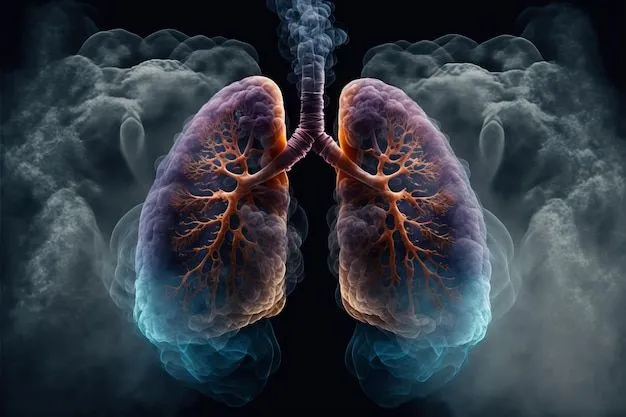
According to pulmonologists, these particles trigger low-grade inflammation and oxidative stress. The lungs possess considerable reserve capacity, which allows them to compensate for early injury. As a result, a person may lose a meaningful portion of lung function before any noticeable symptoms appear. Breathlessness, chronic cough or reduced exercise tolerance often emerge only after the damage has become substantial.
This silent process explains why individuals living in high-pollution environments can appear healthy for years while their respiratory system is gradually compromised.
Inflammation, Scarring and Irreversible Changes
Repeated exposure keeps the inflammatory process active. Over time, this can damage the cells lining the airways. In more severe or prolonged cases, scar tissue may form. While some inflammation can subside if air quality improves, scarred tissue does not fully recover its original structure or function.
The result is a progressive decline in lung capacity and efficiency. Even people without pre-existing respiratory disease can experience this gradual reduction. Fitness or an active lifestyle does not fully protect against the effect, because deeper and faster breathing during exercise can increase the volume of pollutants inhaled.
Links to Chronic Diseases
Long-term exposure to particulate matter is associated with a higher risk of developing chronic obstructive pulmonary disease (COPD). Repeated airway injury and inflammation contribute to airway narrowing and reduced airflow. Pollution can also trigger new-onset asthma, particularly in children, and worsen existing asthma by increasing airway sensitivity and the frequency of attacks.
Air pollution is additionally recognised as a risk factor for lung cancer. Outdoor air pollution and particulate matter have been classified as carcinogenic to humans. Tiny particles that penetrate deep into the lungs can contribute to oxidative stress, chronic inflammation and DNA damage in lung cells, raising the long-term risk even among people who have never smoked.
Why Symptoms Are Not Always Present
The absence of cough or breathlessness does not indicate the absence of harm. Early damage is often subclinical. The body adapts by using its reserve capacity, masking the problem until the reserve is largely exhausted. By the time symptoms become obvious, significant and sometimes irreversible changes may already have occurred.
Children are especially vulnerable because their lungs are still developing. Older adults and people with existing heart or lung conditions face higher risks as well. However, the silent injury pathway affects healthy adults too.
Practical Implications
Understanding this silent mechanism changes how people should view air quality. Checking daily air quality indices, limiting outdoor activity during high-pollution periods, and using well-fitted masks when necessary become more than comfort measures—they are protective steps against cumulative damage.
Indoor air quality also matters. Sources such as cooking fumes, incense and inadequate ventilation can add to the overall particulate load. Simple measures like improving ventilation when outdoor air is cleaner and using air purifiers in high-exposure settings can help reduce the daily burden on the lungs.
Regular health check-ups that include lung function testing can detect early declines that symptoms have not yet revealed. Early awareness allows individuals and doctors to take preventive or supportive action before irreversible changes set in.
A Long-Term Perspective
The effects of prolonged exposure to PM2.5 and PM10 do not appear overnight. They accumulate quietly through ongoing inflammation, oxidative stress and gradual tissue changes. The eventual outcomes—impaired lung function, higher risk of COPD or asthma, and elevated cancer risk—may only become apparent years later.
The central message from pulmonologists is clear: the lack of a cough or breathing difficulty is not proof of healthy lungs. In environments where smog is common, protecting lung health requires proactive steps rather than waiting for symptoms to appear. Consistent reduction of exposure remains the most effective way to limit silent, cumulative damage.
Read more – flowofnames.com