
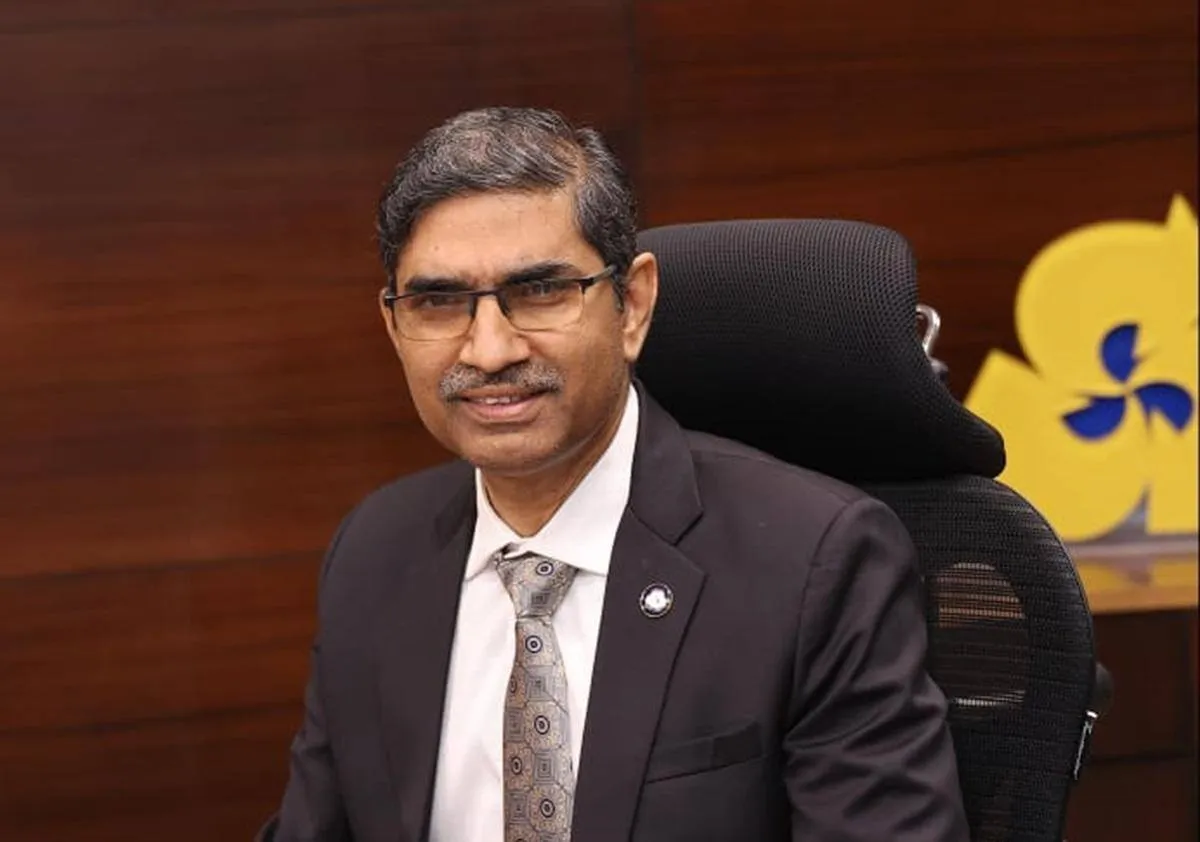
Indian Bank Managing Director and Chief Executive Officer Binod Kumar has said the recent 25-basis-point repo rate hike by the Reserve Bank of India is unlikely to have a significant impact on the bank’s asset quality. While acknowledging that a section of retail borrowers may feel pressure, he expressed confidence that overall portfolio health would remain stable and that the bank could sustain growth and profitability in the coming quarters.
In an interview, Kumar addressed the implications of the rate increase, the competitive environment for deposits, credit growth prospects, and related operational matters. His comments provide insight into how one of India’s public sector banks is navigating the current interest-rate and funding landscape.
Limited Impact Expected on Asset Quality
Kumar stated clearly that he does not expect asset quality to be affected in a material way by the higher interest rates. The primary area of potential stress, he noted, lies with certain retail borrowers whose equated monthly instalments are already close to the maximum they can comfortably service. For these customers, an increase in rates could tighten household budgets.
At the same time, he pointed to practical options available to banks. Loan tenures can be extended or repayment schedules adjusted so that the monthly outflow remains manageable. Such measures, commonly used when rates rise, help prevent immediate slippage into non-performing status while giving borrowers time to adapt.
On the broader retail book, Kumar said he sees no significant stress building up. This assessment underpins the bank’s willingness to continue expanding retail lending, provided underwriting standards remain disciplined.
Margins and the Rate Environment
Higher lending rates that follow a repo rate increase can support net interest margins. Kumar indicated that the recent 25-basis-point move could improve margins by around six basis points, assuming the transmission to lending rates occurs while deposit costs adjust more gradually. The precise outcome will depend on how quickly deposit rates respond to the changed policy rate and on the intensity of competition for funds.
Competition for deposits remains intense across the banking system. Kumar recognised this pressure yet maintained that Indian Bank is positioned to sustain its growth momentum and protect profitability. The ability to balance loan growth with stable funding costs will be central to delivering those outcomes.
Retail Lending Confidence
Asked about the scope for further expansion in retail credit, Kumar expressed confidence that the bank can grow this segment without compromising asset quality. The absence of visible stress in the existing retail portfolio supports that view. Retail loans, including housing and other personal segments, form an important part of the growth strategy for many banks, and Indian Bank appears intent on participating while monitoring early indicators of strain.
The distinction Kumar drew between a limited group of borrowers at the edge of affordability and the wider retail book is notable. It suggests the bank is watching specific cohorts closely rather than applying a uniform caution across all retail exposures.
Broader Strategic Context
Beyond the immediate rate-hike effects, Kumar discussed several other priorities. Corporate lending continues to be approached selectively. Gold loans remain part of the product mix, reflecting steady demand in that category. Technology investments are ongoing, aimed at improving efficiency, customer experience and risk management. On the subject of artificial intelligence, he addressed the potential impact on banking jobs, indicating that the technology is being evaluated for its operational benefits while the human dimension of the workforce is also considered.
These elements form part of a wider effort to keep the bank competitive in a market characterised by rapid digital change, fluctuating interest rates and persistent competition for both loans and deposits.
Sustaining Growth and Profitability
Kumar’s overall message was one of measured optimism. He expects Indian Bank to maintain the growth trajectory achieved in recent periods, preserve asset quality, and protect profitability even as funding costs face upward pressure. The combination of controlled retail expansion, selective corporate lending, and proactive management of repayment schedules for vulnerable borrowers is intended to support that outlook.
The recent rate hike introduces a new variable into the operating environment. By signalling that the impact on asset quality should remain limited and that margins could actually benefit modestly, Kumar has set expectations for how the bank intends to navigate the months ahead. The practical tools available—tenure extension and schedule resets—provide flexibility in managing the subset of retail accounts that may come under pressure.
Looking Ahead
Interest-rate cycles inevitably affect both borrowers and lenders. For banks, the challenge is to transmit higher policy rates into lending rates without triggering a wave of stress, while simultaneously managing the cost of deposits in a competitive market. Kumar’s comments suggest Indian Bank believes it can achieve this balance.
The coming quarters will test that assessment. Credit growth will need to continue at a healthy pace, early warning indicators in the retail book will require close monitoring, and deposit mobilisation will remain a priority. If the limited pressure on maximum-EMI borrowers can be managed through restructuring of repayment terms, and if margins respond as projected, the bank’s stated goals of stable asset quality and sustained profitability should remain within reach.
Binod Kumar’s remarks offer a clear view from the leadership of a major public sector bank: the rate hike is not expected to derail asset quality in a significant way, retail expansion can proceed with appropriate caution, and the institution is focused on delivering consistent performance despite the competitive and monetary-policy headwinds.
Read more – Bestmenuideas.com