
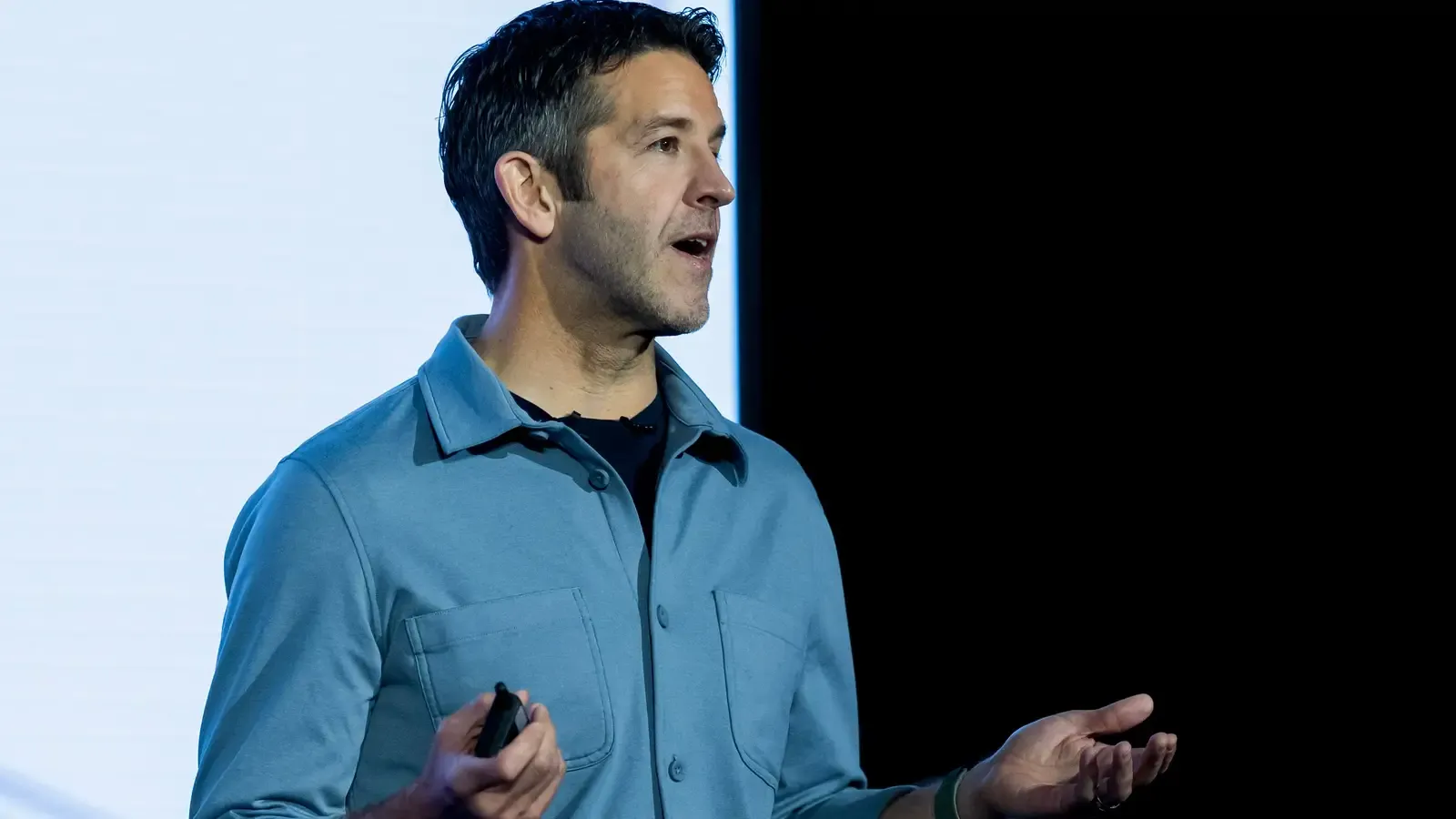
John Ternus assumes the role of Apple chief executive on 1 September 2026, succeeding Tim Cook after a 15-year tenure that transformed the company into one of the world’s most valuable enterprises. The transition places a long-time hardware engineer at the helm of a firm that dominates the smartphone market yet continues to trail key rivals in artificial intelligence. Ternus steps into the position with the immediate task of defining Apple’s path in the AI era through the devices that have long formed the core of its business.
From Hardware Engineer to Chief Executive
Ternus, 51, joined Apple in 2001 and spent a quarter-century rising through its engineering ranks. He began on the design team working on Macs before taking progressive responsibility for iPads, AirPods, iPhones and eventually the full hardware engineering organisation. As senior vice president of hardware engineering, he oversaw the teams responsible for products that generate the majority of Apple’s revenue.
His selection marks a return to leadership rooted in product engineering rather than operations or software. Cook, an operations specialist renowned for building Apple’s global supply chain, will move to the role of executive chairman. The arrangement allows Cook to continue handling high-level matters such as relations with governments and major markets while Ternus concentrates on product direction and internal execution.
The AI Challenge Facing Apple
Apple enters this leadership change with a recognised gap in generative AI capabilities compared with competitors. Features under the Apple Intelligence banner have faced delays, and the company’s approach has emphasised integration and on-device processing rather than large-scale foundational models developed entirely in-house. Partnerships have been used to fill certain gaps, yet the overall pace has drawn scrutiny from analysts and investors.
Some observers argued that software chief Craig Federighi represented the more logical choice for a company seeking to accelerate its AI progress. Federighi has overseen major software platforms and recent AI organisational adjustments. The decision to elevate Ternus instead signals a deliberate bet that Apple’s strength in hardware design and integration will prove decisive in the next phase of computing. The view holds that AI capabilities will ultimately be delivered most effectively through refined devices rather than standalone software breakthroughs.
Hardware as the Vehicle for AI
Ternus inherits an ambitious product pipeline shaped during his time as hardware chief. The annual autumn event scheduled for 9 September is expected to include the company’s first foldable iPhone alongside other new hardware. Internally, work has advanced on additional categories intended to extend Apple’s presence into new form factors: AirPods equipped with cameras capable of interpreting surroundings, smart glasses, a home security system, a robotic-arm home display, and a wearable camera pendant.
These projects illustrate the strategy Ternus is expected to pursue. Rather than treating AI as a separate software layer, Apple aims to embed intelligence into physical products that users already rely on daily. Success will depend on seamless interaction between custom silicon, refined sensors, privacy-preserving on-device processing and cloud components where necessary. Ternus’s deep familiarity with the engineering constraints and opportunities of these systems positions him to drive that integration.
Immediate Priorities and Broader Pressures
Ternus has little time to settle in. The September product event arrives only days after he formally takes the chief executive role. Beyond the launch itself, he must address ongoing issues that include supply-chain complexities, particularly the company’s significant manufacturing ties to China amid shifting geopolitical pressures. He will also need to manage a senior leadership team shaped over many years under Cook and determine how best to organise responsibilities in hardware, software, services and operations.
Analysts note that Ternus is less experienced in areas such as finance, sales, legal affairs and government relations. He will therefore rely on established executives while gradually shaping the organisation around his priorities. Continuity in the supply-chain systems built under Cook is widely expected, allowing the new chief executive to focus on product innovation and the AI agenda.
Defining the Next Chapter
Cook leaves Apple in strong financial and operational condition. The company maintains commanding positions in premium smartphones, wearables and services. The central question for the Ternus era is whether that foundation can be extended into a period defined by rapid advances in artificial intelligence. Competitors have moved aggressively with large language models, multimodal systems and new device categories. Apple’s response will be measured by the usefulness and reliability of the AI features it delivers through its own hardware.
Ternus has previously described Apple’s approach to AI as a marathon rather than a sprint, emphasising gradual improvement that makes everyday tasks easier without drawing unnecessary attention to the technology itself. That philosophy aligns with the company’s historical preference for refinement and user experience over flashy demonstrations. Translating it into competitive products at scale will be the practical test of his leadership.
Looking Ahead
The appointment of a hardware veteran reflects confidence that Apple’s core competence in designing and manufacturing devices remains the surest route to relevance in an AI-driven market. Foldable phones, intelligent wearables and ambient computing products will serve as the testing ground for that thesis. At the same time, software and services must keep pace so that the intelligence layer feels coherent across the ecosystem.
John Ternus takes charge at a moment when Apple’s strengths are clear and its gaps are equally visible. The coming product cycles and the organisational decisions he makes will determine whether the company can convert its hardware expertise into sustained leadership during the age of artificial intelligence. The transition from Cook’s operational mastery to Ternus’s engineering focus marks a deliberate shift in emphasis as Apple seeks to write its next chapter.
Read more – Instantdua.com