
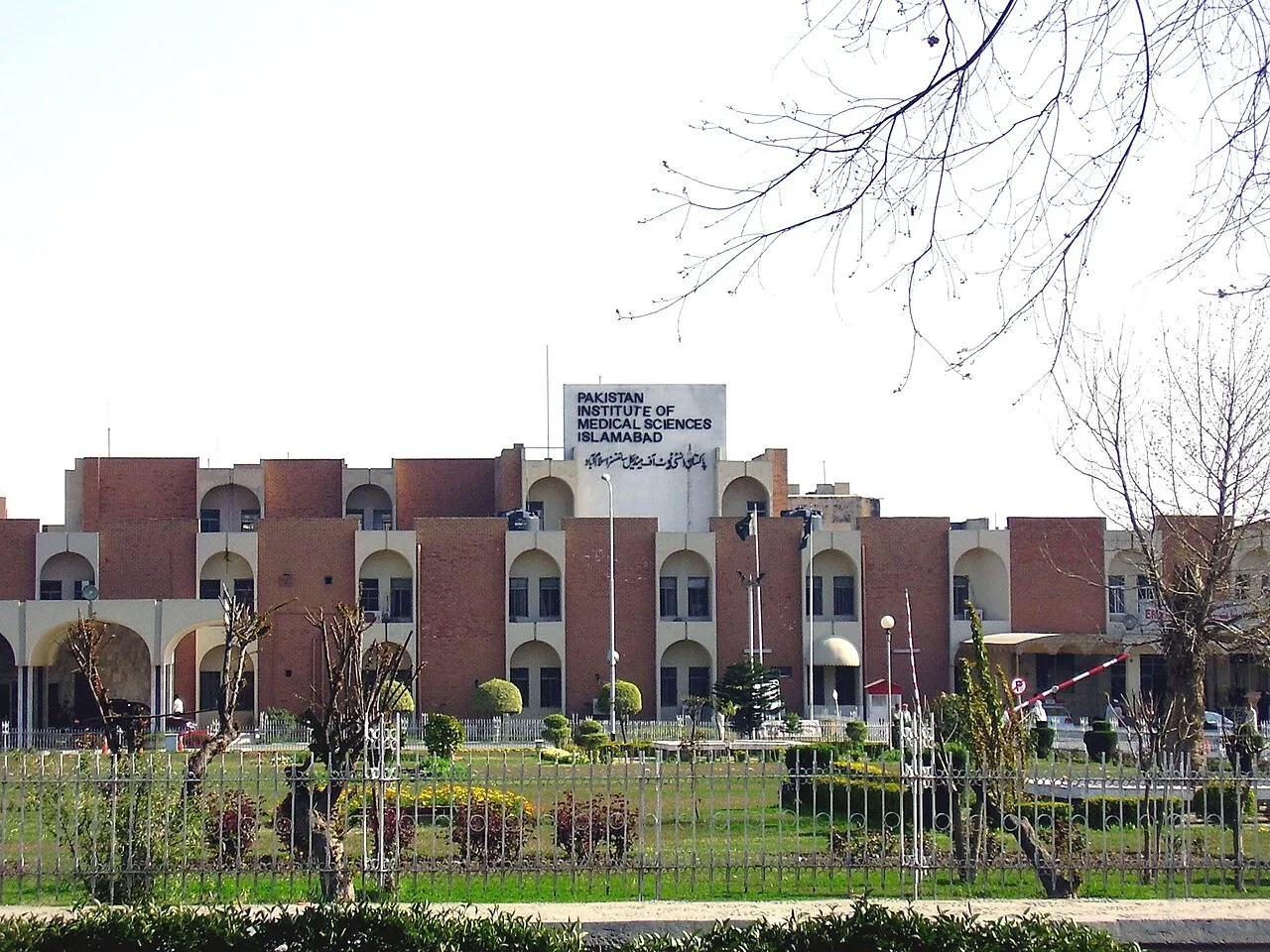
A devastating fire at a major government hospital in Pakistan’s capital claimed the lives of at least 15 newborn babies on Wednesday. The blaze broke out in the gynaecological ward of the Pakistan Institute of Medical Sciences in Islamabad, one of the country’s largest public healthcare facilities. Authorities have launched an inquiry, and Prime Minister Shehbaz Sharif has directed officials to investigate the tragedy promptly.
What Happened at PIMS
The fire erupted in the early hours of 26 August 2026, around 6:40 to 6:45 a.m. local time, in the nursery area of the gynaecology ward on the third floor of the Mother and Child section of the hospital. At the time, approximately 16 newborns were present in the ward. Many of the infants were in incubators or receiving oxygen support.
According to hospital officials and rescue sources, only one baby was successfully rescued. The rest perished in the fire. Initial reports from local media and officials put the death toll at 14 or 15 infants, with some accounts noting that a number of babies died at the scene while others succumbed later after being shifted. The precise final figure remained subject to confirmation as operations continued, but the scale of the loss was clear and profound.
Footage from the scene showed rescue workers using ladders and entering through broken windows to reach the affected area. Multiple fire brigade units and ambulances responded. The fire was eventually brought under control, after which teams focused on cooling operations to prevent any further flare-ups.
Suspected Cause of the Blaze
Officials indicated that the fire is believed to have started due to a fault in the air-conditioning system. Health Minister Mustafa Kamal stated that a blast or explosion occurred in an air conditioner located in the ward. The presence of oxygen—whether in tanks or in use with incubators—appears to have intensified the fire once it began, making the situation far more dangerous for the vulnerable infants.
Hospital spokespersons confirmed that the nursery housed the newborns when the incident occurred. The combination of an electrical or mechanical failure in the cooling equipment and the oxygen-rich environment created conditions that proved catastrophic within a short time.
Official Response and Inquiry
The Islamabad administration confirmed that an emergency call was received shortly before 7 a.m. and that rescue teams reached the site promptly. An inquiry committee headed by an additional deputy commissioner-level official was constituted to investigate the circumstances of the fire, its cause, and any possible lapses in safety or maintenance.
Prime Minister Shehbaz Sharif took immediate notice of the incident. He directed the relevant authorities to conduct a thorough investigation and submit findings without delay. The urgency attached to the inquiry reflects the gravity of losing so many newborns in a public hospital that serves as a key referral centre for the capital and surrounding regions.
Impact on Families and the Hospital
The loss of 15 infants in a single incident has left families shattered. Parents who had brought their newborns to the hospital for care instead faced the unimaginable. Scenes outside the facility showed grieving relatives being consoled as the scale of the tragedy became clear.
PIMS is Islamabad’s largest public-sector hospital and one of the oldest major health institutions in the capital. It handles a high volume of patients, including complex maternal and neonatal cases. The fire has raised immediate questions about fire safety protocols, electrical maintenance, and the preparedness of critical care areas that house oxygen-dependent patients.
Broader Context of Hospital Safety
Incidents involving fires in large public buildings, including hospitals, have occurred in Pakistan in the past. Such events often draw attention to issues of building safety standards, regular inspection of electrical and mechanical systems, and the enforcement of fire prevention measures. In a neonatal or gynaecology ward, where oxygen is routinely in use, the margin for error is especially narrow.
The presence of incubators and oxygen support is standard and necessary for vulnerable newborns. However, it also means that any ignition source can escalate rapidly. The reported failure of an air-conditioning unit in such an environment underscores the need for rigorous maintenance schedules and safety audits in high-risk hospital zones.
Next Steps and Accountability
The inquiry committee is expected to examine the sequence of events, the condition of the air-conditioning equipment, the response time of hospital staff and external rescuers, and whether existing safety protocols were followed. Findings will likely determine whether the tragedy resulted from equipment failure, maintenance shortcomings, or other systemic issues.
Authorities have emphasised that the fire was extinguished and that cooling operations were underway to secure the site. The focus has now shifted to supporting the affected families, establishing an accurate account of the casualties, and ensuring that lessons from the incident lead to concrete improvements in hospital safety.
A Profound Loss
The death of 15 newborns in a hospital that is meant to protect and nurture life represents an immense human tragedy. Each infant lost was a new beginning for a family. The speed with which the fire spread, the role of oxygen in intensifying the blaze, and the limited number of survivors have left the public and medical community in shock.
As the investigation proceeds under the direction of the Prime Minister’s office and local administration, the central questions remain clear: how a fault in a routine system such as air conditioning could lead to such catastrophic loss, and what measures will be put in place to prevent any recurrence. For the families of the infants who died, no inquiry can restore what has been taken. For the wider healthcare system, the incident stands as a stark reminder of the non-negotiable importance of safety in the most vulnerable clinical spaces.
The Pakistan Institute of Medical Sciences now faces the dual task of supporting those affected and ensuring that its critical care areas meet the highest standards of fire and electrical safety. The coming days will test the thoroughness of the official response and the determination to translate grief into lasting safeguards.
Read more – toolsbyalaikas.com